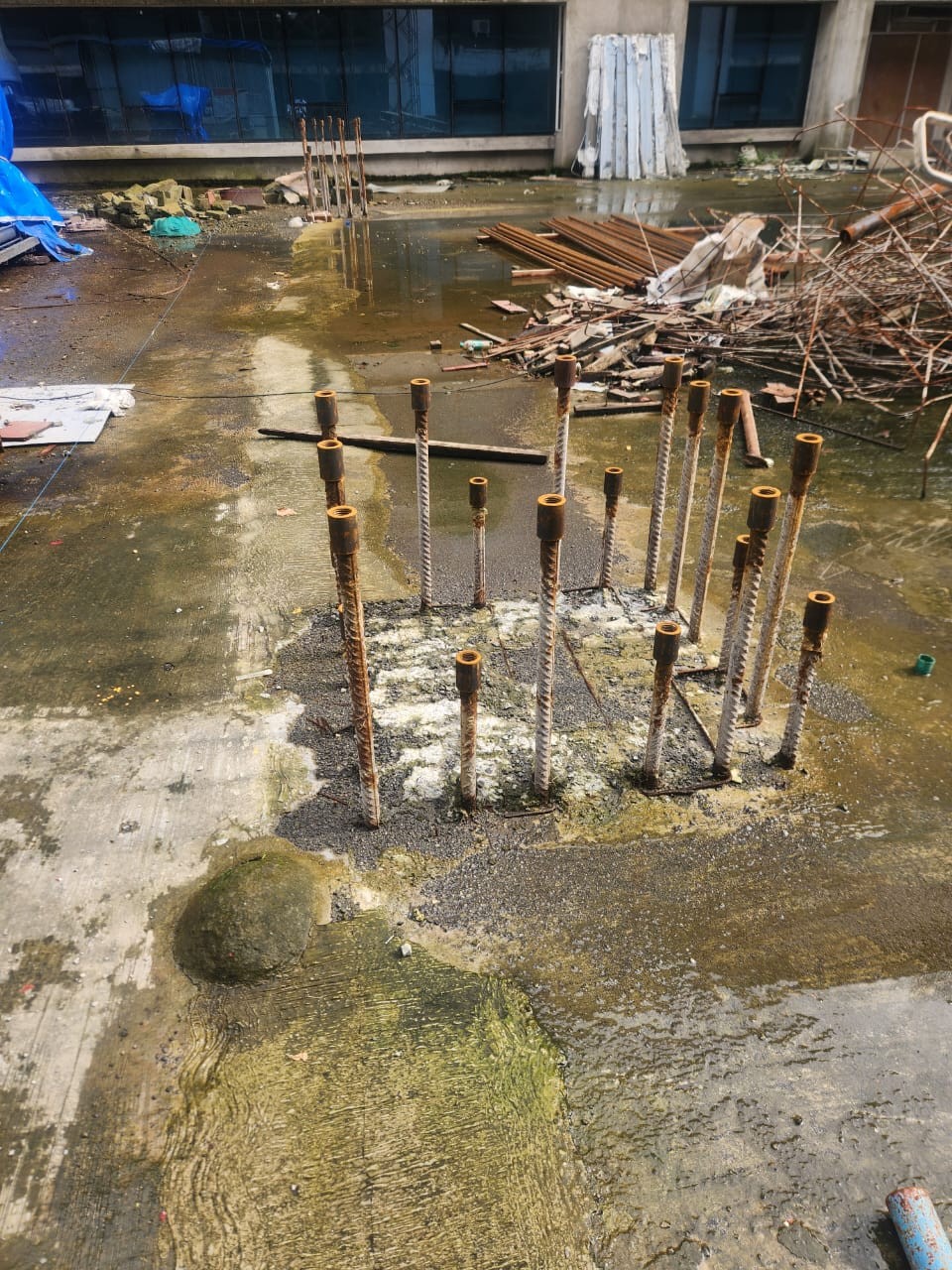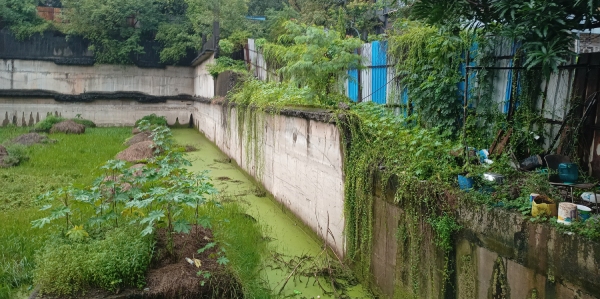
Structural Testing of Retaining Wall and Raft
TCR supports client with structural testing of existing retaining wall and raft using UPV, rebound hammer, core tests, and audit reporting.

Group
Services · Civil and Infrastructure Testing
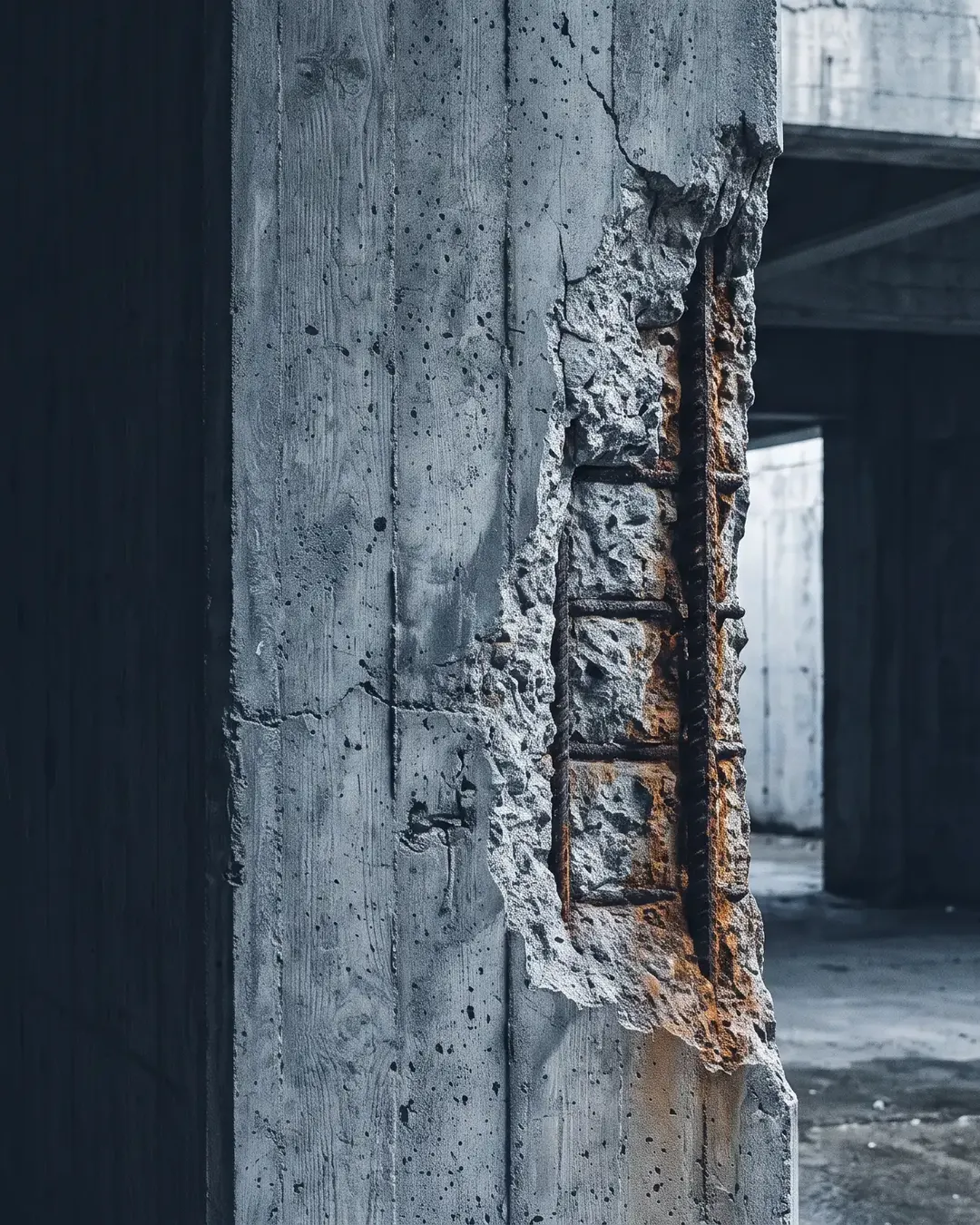
The deliverable is a Form A or Form B structural-audit certificate with a repair and rehabilitation programme under the CPWD framework, built on visual survey, GPR, UPV, half-cell potential, cover meter, and verification cores. TCR has completed 1,200+ structural audits.
TCR Engineering Services Pvt. Ltd., NABL ISO/IEC 17025:2017 accredited and based in Navi Mumbai, conducts structural audits under Maharashtra Clause 77 for buildings older than 30 years, combining visual survey, non-destructive evaluation and repair consultancy, and has completed 1,200+ structural audits across India.
The Maharashtra Clause 77 mandate covers structural audit of buildings older than 30 years (and recommended for buildings older than 15 years) in cities under the Maharashtra Municipal Corporations Act. The Mumbai building stock alone runs to 30,000+ buildings within the audit-mandate scope.
The audit workflow combines visual condition survey, GPR for rebar and embedded utility location, UPV per IS 13311 Part 1 for concrete homogeneity, rebound hammer for surface hardness correlation, half-cell potential per ASTM C876 for corrosion likelihood, cover meter for clear cover verification, drone capture for high-rise façade and roof access, and core extraction for verification compressive strength.
The output is a Form A or Form B structural-audit certificate with repair-and-rehabilitation recommendations under the CPWD framework.
Under the mandate, a housing society must commission a structural audit once every five years for buildings aged 15 to 30 years and once every three years for buildings older than 30 years. The audit establishes the present condition and expected residual life of the structure, identifies areas that need immediate repair, satisfies the statutory requirements of the municipal authority, and sets the preventive and corrective programme, repairs and retrofitting included, that extends the building's life. TCR delivers the audit in three parts.
Visual inspection of the structure from inside and outside, member by member, with a study of the architectural, RCC, and structural drawings where available and a full photographic survey.
The survey captures the load transfer system, the structural framing system, structural deficiencies, settlement, cracks in RCC members and in masonry or plaster, leakages, loads on the structure, and defects in non-structural elements, and identifies the locations that require detailed investigation and non-destructive testing.
The real strength and quality of concrete cannot be established by eye. The locations identified in Part A are therefore tested with the non-destructive methods described in the audit workflow above to determine the present strength and quality of the concrete members.
The audit closes with a consolidated report covering interpretation of the visual and NDT results, diagnosis and root cause analysis of the observations, a repair and rehabilitation scheme to make the structure durable and healthy, technical specifications and draft tender documents for the repair work, cost estimates, scrutiny of tenders, periodic inspection of the repair work, and issue of the Structural Stability Certificate on completion of the job.
8 of the 36 published insights tagged to Civil & Structural Testing bear directly on Structural Audit. The 6 most relevant are below.
TCR supports client with structural testing of existing retaining wall and raft using UPV, rebound hammer, core tests, and audit reporting.
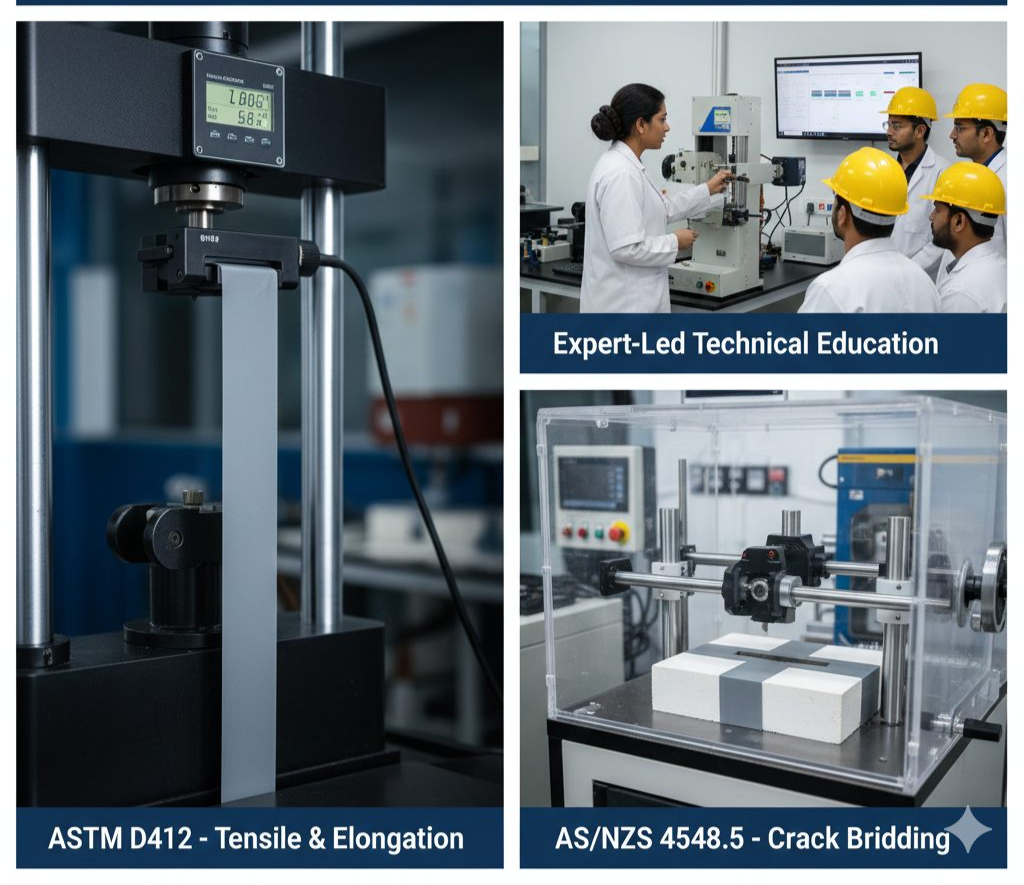
Coating and membrane testing per ASTM D412 and AS/NZS 4548.5 reveals tensile strength and crack bridging. TCR validates waterproofing performance.
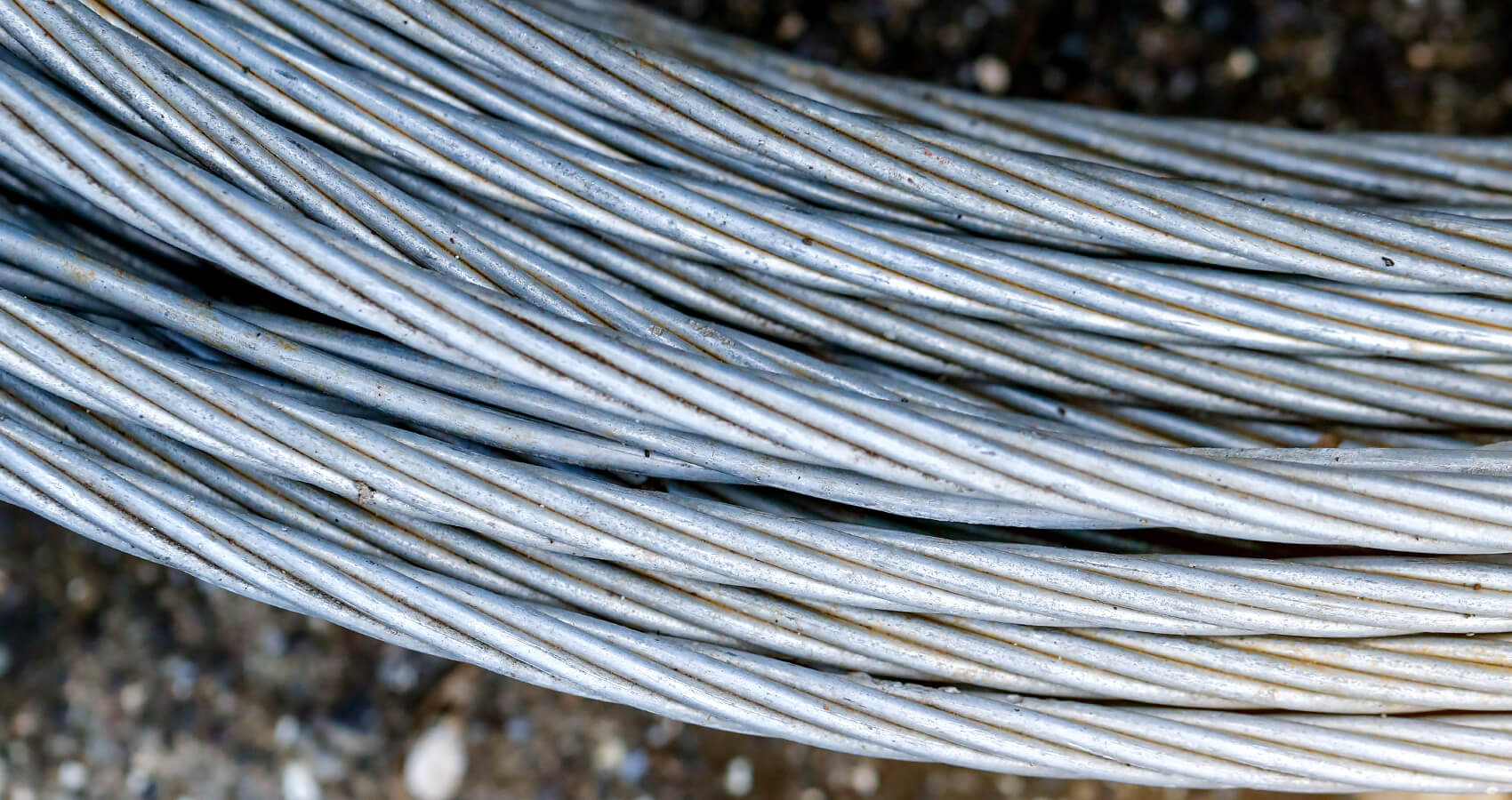
TCR Engineering conducts comprehensive HT strand testing as per ISO standards, ensuring structural safety for bridges and concrete projects.
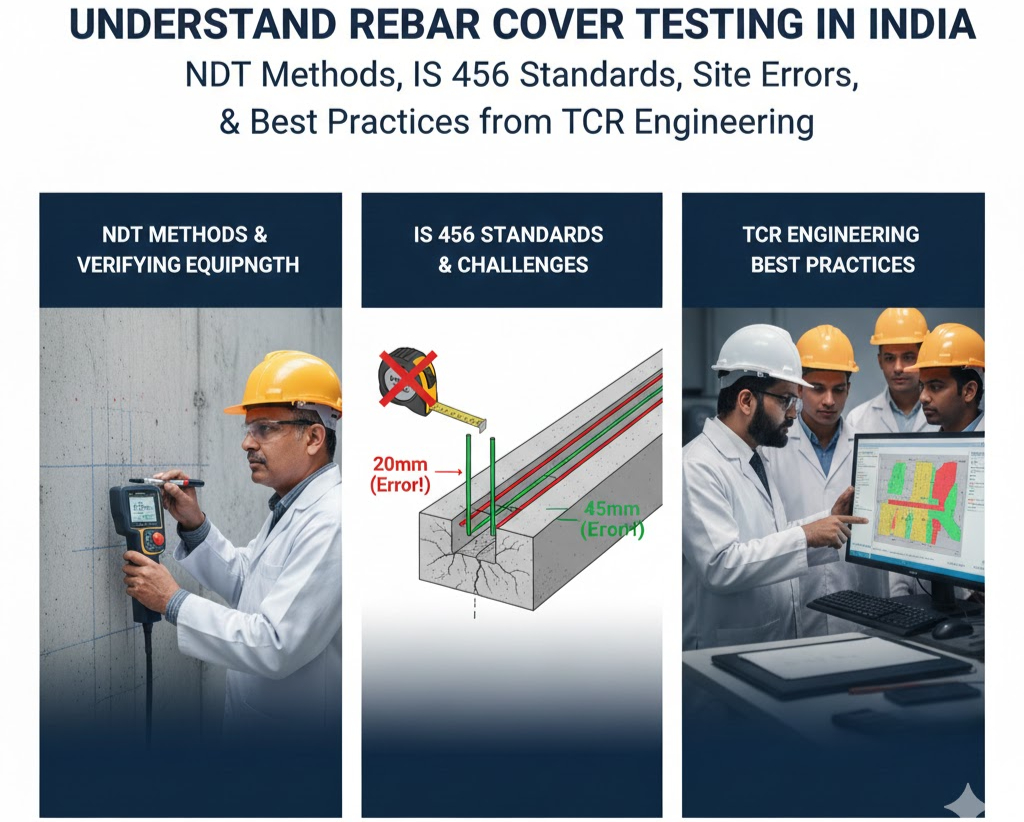
Rebar cover testing is critical to structural safety. Learn how expert NDT teams in India assess cover, avoid common errors, and protect RCC…
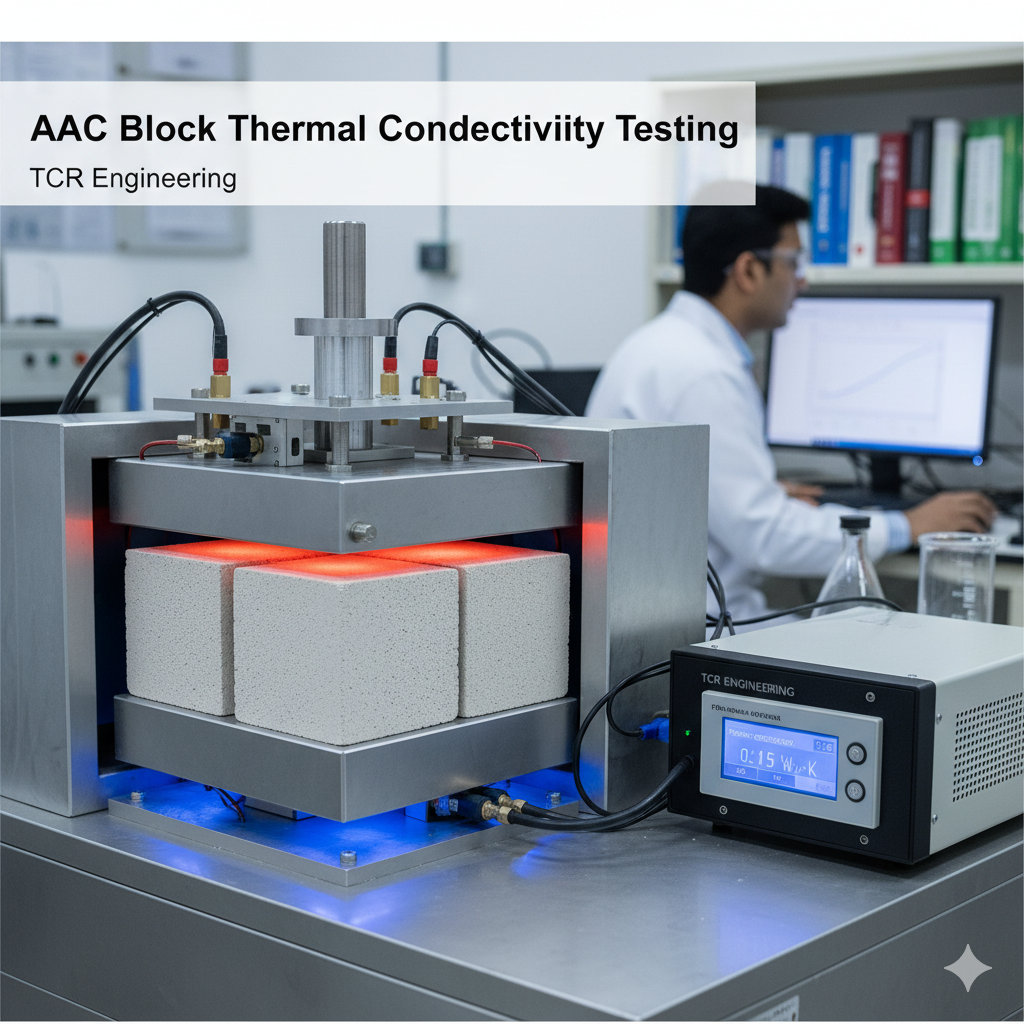
TCR Engineering offers NABL-accredited AAC Block Thermal Conductivity Testing. Verify insulation, cut energy costs, and ensure green building…
Half-Cell Potential Test helps detect corrosion in concrete structures before damage spreads. A vital step for structural durability.
Read all 36 Civil & Structural Testing insights →All insights →
Download the reference documents for this page. Every file is hosted on this domain and is also listed in the site document library.
Under the Maharashtra Municipal Corporations Act, buildings older than 30 years must undergo a structural audit, and audit is recommended for buildings older than 15 years. Housing societies must commission an audit once every five years for buildings aged 15 to 30 years and once every three years thereafter.
TCR delivers the audit in three parts: Part A visual inspection member by member with photographic survey, Part B non-destructive evaluation using GPR, UPV per IS 13311 Part 1, rebound hammer, half-cell potential per ASTM C876, cover meter and core extraction, and Part C repair and rehabilitation consultancy with cost estimates.
The audit output is a Form A or Form B structural-audit certificate with repair-and-rehabilitation recommendations under the CPWD framework. On completion of the recommended repair work, which TCR can specify, tender and periodically inspect, a Structural Stability Certificate is issued for submission to the municipal authority.
TCR has completed 1,200+ structural audits across India and operates as a NABL ISO/IEC 17025:2017 accredited laboratory (certificate NABLT0726MH18640) from Navi Mumbai. The audit practice sits within a civil testing capability that has also inspected 500+ bridges across the country.