
Services · Civil and Infrastructure Testing
Bridge Inspection
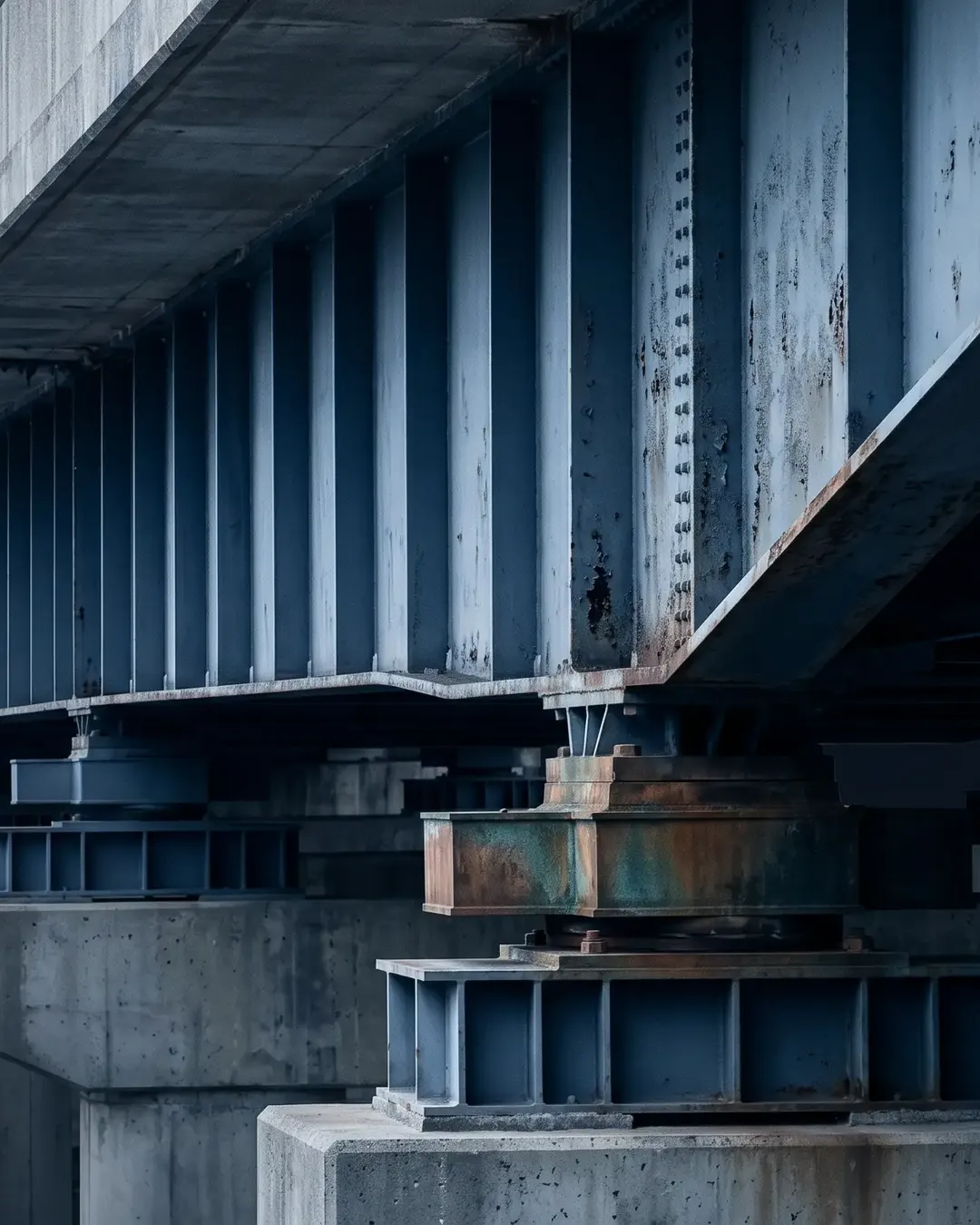
Maharashtra Public Works Department runs a long-standing robotic NDT programme with TCR, and the BMC programme from March 2026 covers 400+ bridges using submersible ROV, drone, and conventional NDT across piers, abutments, and girder soffits.
Request a Quote
In brief
TCR Engineering, a NABL ISO/IEC 17025:2017 accredited laboratory (NABLT0726MH18640) in Navi Mumbai, has inspected 500+ bridges across India. Its bridge inspection combines drone imaging, submersible ROV surveys and field NDT under IRC SP 35, SP 18 and SP 40 guidelines; the UPV, rebound hammer and half-cell potential readings are within the NABL site scope, cover meter readings outside it.
How TCR Inspects Bridges
TCR has inspected 500+ bridges across India, combining drone imaging, submersible ROV surveys, and field non-destructive testing into a single condition assessment. The anchor client is the Maharashtra Public Works Department, under a long-running robotic NDT programme.
A separate BMC March 2026 AI-assisted robotic underwater inspection programme covers 400+ bridges as a distinct workflow with submersible ROV, drone, and conventional NDT. The methods deployed on a bridge are set out below.
| Method | Application |
|---|---|
| Drone | High-pier visual capture; girder soffit imaging |
| Submersible ROV | Sub-water pier and abutment, intake and forebay |
| UPV per IS 516 (Part 5/Sec 1):2018 | Concrete homogeneity |
| Cover meter | Clear-cover verification |
| Schmidt rebound hammer | Surface hardness correlation |
| Half-cell potential per ASTM C876-22b | Corrosion likelihood mapping |
Governing Standards
Bridge inspection and the associated concrete NDT and strand testing are governed by the designations below.
| Method | What it measures | Standard |
|---|---|---|
| Ultrasonic Pulse Velocity | Concrete homogeneity | IS 516 (Part 5/Sec 1):2018 |
| Rebound hammer | Surface hardness correlation | IS 516 (Part 5/Sec 4):2020 |
| Half-cell potential | Corrosion likelihood mapping | ASTM C876-22b |
| Bridge inspection and rehabilitation | Inspection and rehabilitation guidelines | IRC SP 35, IRC SP 18, IRC SP 40 |
| Bridge design reference | Design specification | BS 5400, AASHTO LRFD Bridge Design Specifications |
| Manhole and gully top fatigue | Fatigue of composite manhole and gully tops up to 900 mm | BS EN 124-5 |
| High-tensile strand | Tensile, stress-relaxation, 2 million-cycle fatigue | IS 14268, ASTM A416, BS 5896, prEN 10138, ISO 15630-3 |
High-Tensile Strand for Bridge Cables
High-tensile strand for prestressed bridge and high-speed-rail cable systems is tested per IS 14268, ASTM A416, BS 5896, prEN 10138, and ISO 15630-3, covering tensile strength, stress-relaxation, and 2 million-cycle fatigue.
- Standards: IS 14268, ASTM A416, BS 5896, prEN 10138 and ISO 15630-3.
- Properties measured: tensile strength, stress relaxation, and 2 million-cycle fatigue.
- Programmes served: prestressed bridge cable systems and the Mumbai-Ahmedabad High Speed Rail.
This strand-testing capability serves prestressed bridge cable systems and the Mumbai-Ahmedabad High Speed Rail programme.
More in Civil & Structural Testing
No published insight on this site bears directly on Bridge Inspection yet. The 3 most recent Civil & Structural Testing articles are below instead, and the full index carries all 42.
-
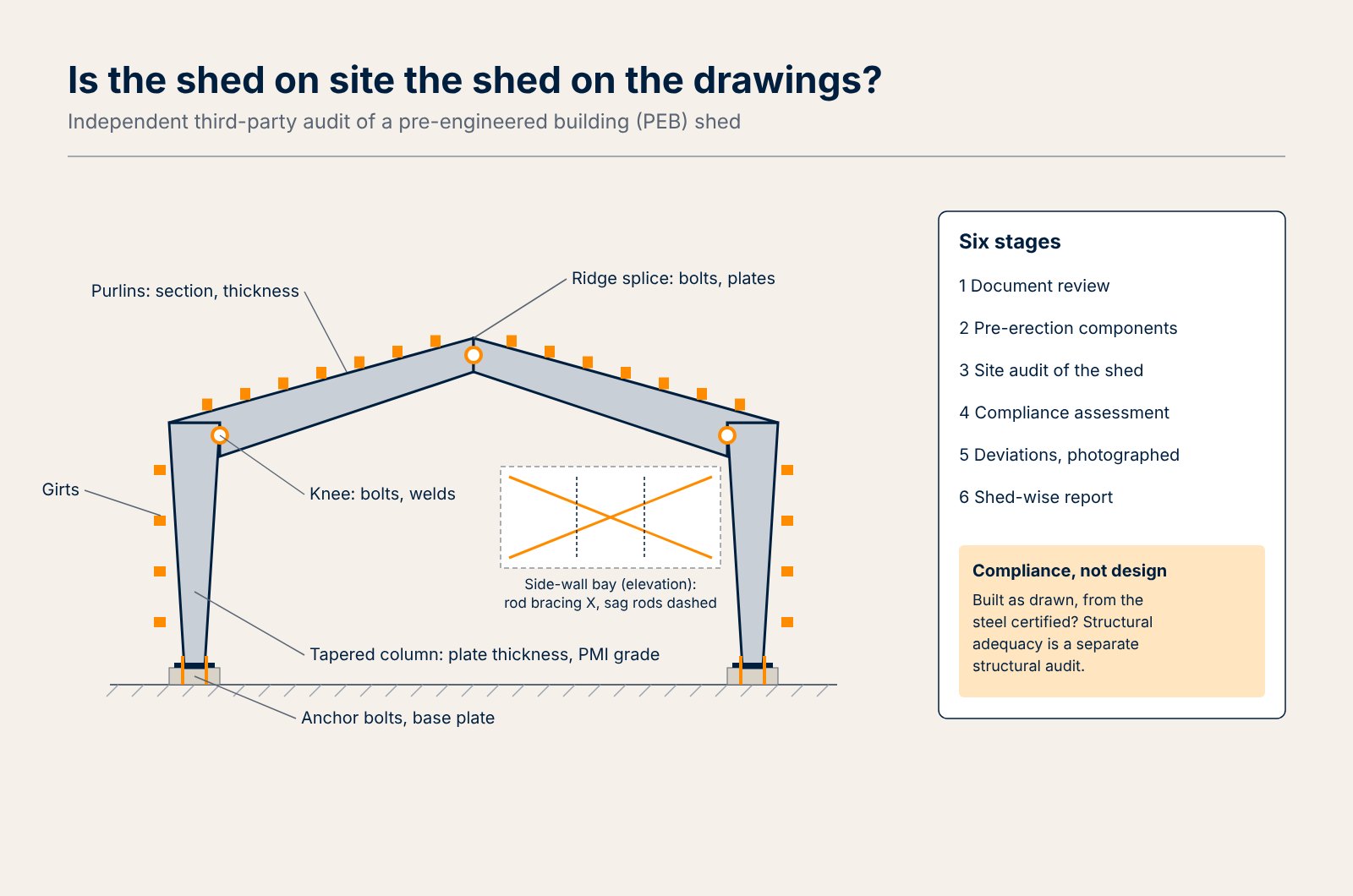
Third-party audit of PEB sheds in India: what an independent audit checks, and what it does not
TCR Engineering audits erected pre-engineered building sheds and their components against the approved drawings and mill certificates: section sizes,…
-
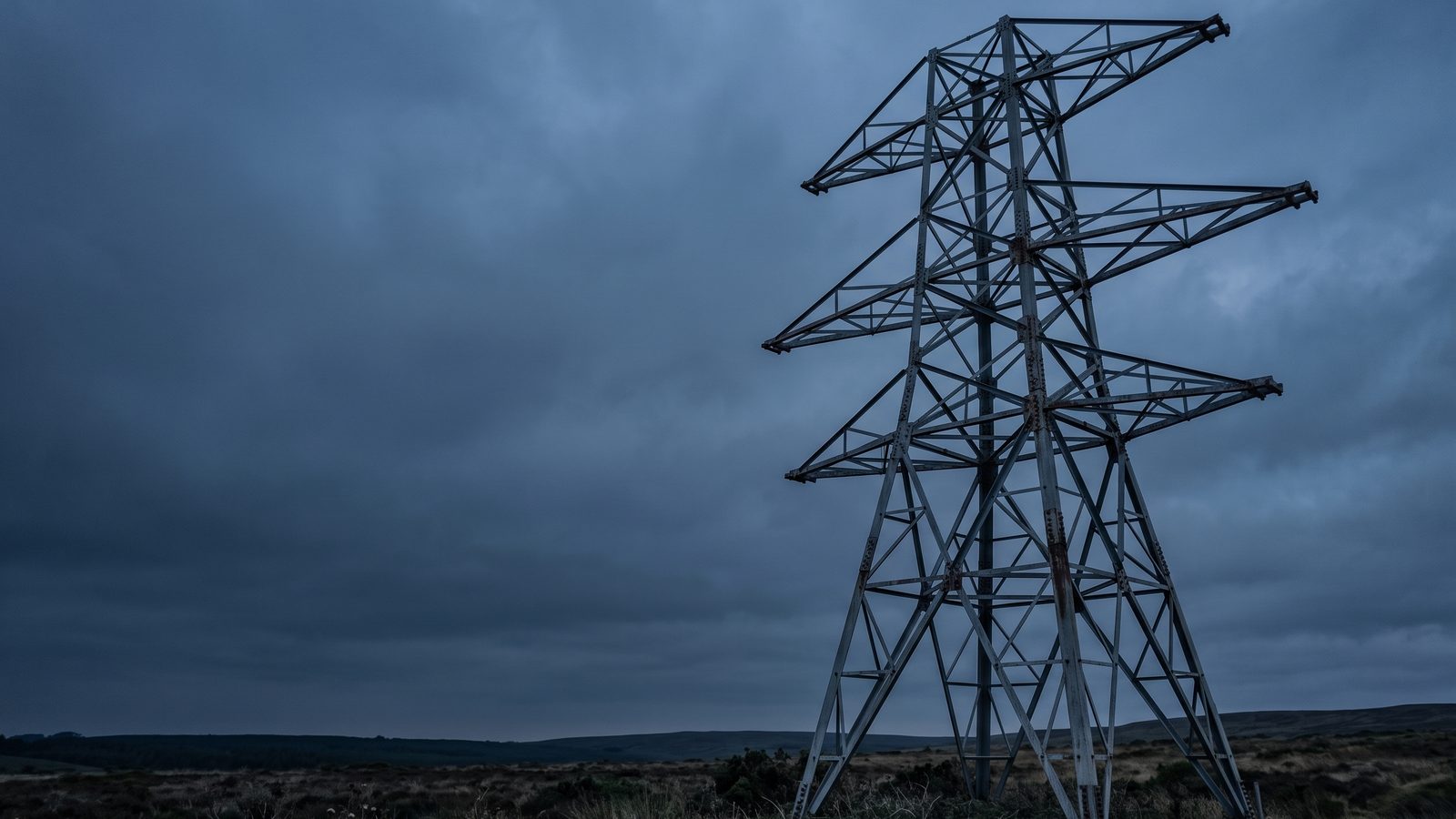
Remaining life of an ageing 220 kV transmission tower: the damage mechanisms that decide it and how they are found
An ageing 220 kV lattice tower is limited by zinc loss, stub corrosion, bolt and member damage and foundation distress. How each is found, judged and monitored.
-
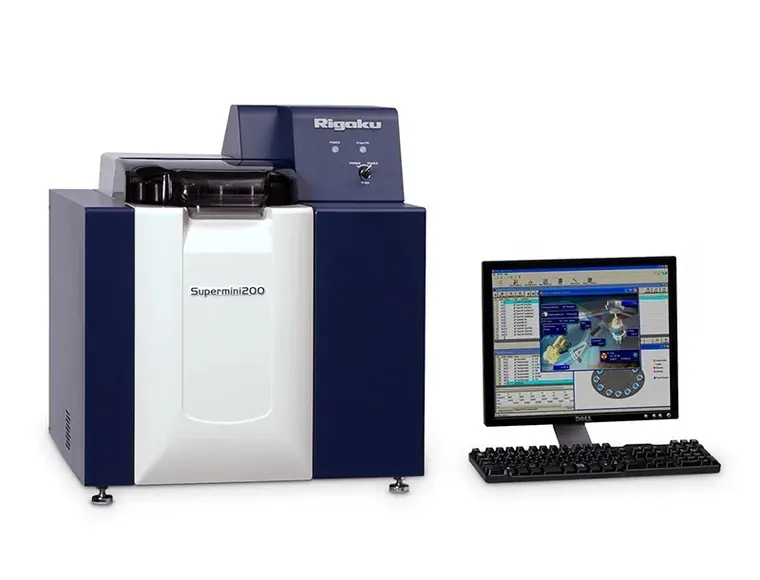
TCR commissions a WDXRF spectrometer for building materials, and what ASTM C114 demands of an XRF result
A wavelength-dispersive XRF spectrometer is now on the bench at Mahape for 195 building materials and alloys. What ASTM C114 demands before an XRF…
Read all 42 Civil & Structural Testing insights →All insights →
Frequently asked questions
How many bridges has TCR inspected?
500+ bridges across India, plus a separate BMC March 2026 robotic underwater programme covering 400+ bridges.
What methods are used in a bridge inspection?
Drone imaging, submersible ROV surveys, UPV per IS 516 (Part 5/Sec 1):2018, cover meter, Schmidt rebound hammer, and half-cell potential per ASTM C876-22b.
Which guidelines govern bridge inspection?
IRC SP 35, IRC SP 18, and IRC SP 40 for inspection and rehabilitation, with BS 5400 and AASHTO LRFD as design references.
Does TCR test bridge cable strand?
Yes. High-tensile strand is tested per IS 14268, ASTM A416, BS 5896, prEN 10138, and ISO 15630-3, including 2 million-cycle fatigue.
Is bridge inspection within TCR's NABL scope?
Bridge inspection as a whole is not a NABL scope item. The concrete site tests used on a bridge, ultrasonic pulse velocity, rebound hammer, half-cell potential and carbonation, are within TCR Engineering's NABL certificate NABLT0726MH18640. Cover meter readings, drone imaging and submersible ROV surveys are not on the scope, so a bridge report carries both accredited and non-accredited results.