
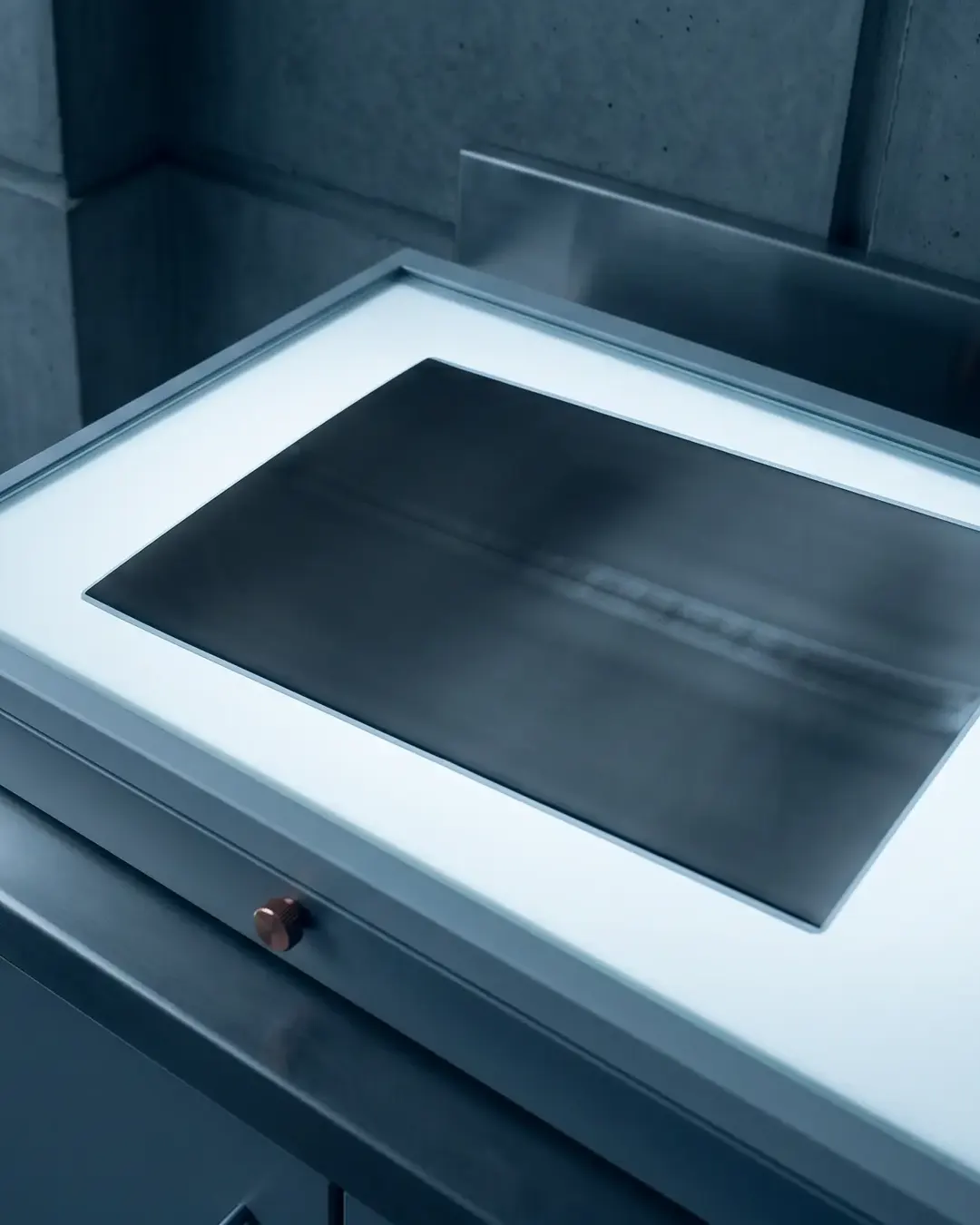
Services · Non-Destructive Testing
Cross-Country and CGD Pipeline Radiography per API 1104
More than 14,000 girth welds across over 2,600 km of cross-country and city-gas pipeline, with radiographic film digitised to Indian Oil and GAIL requirements for the National Gas Grid.
Request a Quote
In brief
TCR Engineering Services Pvt. Ltd., headquartered in Navi Mumbai, provides cross-country and city gas distribution pipeline radiography to API 1104, with 14,000+ girth welds radiographed across 2,600+ km. Indian Oil and GAIL approve TCR for pipeline radiography and film digitisation on the National Gas Grid, and work in India runs under AERB operation licence 23-IRLOP-893925.
Overview
TCR Engineering's pipeline practice runs from construction to operation: crawler and external radiography, phased array and long-range ultrasonic testing, radiographic film digitisation to IOCL and GAIL requirements, destructive testing for procedure and welder qualification, and Engineering Critical Assessment and cathodic protection monitoring under asset integrity management, alongside its NDT services.
- Radiography: Automated Radiographic Testing (ART) on cross-country and city gas distribution pipelines.
- Ultrasonics: Ultrasonic Testing, including Phased Array (PaUT) and Long-Range Ultrasonic Testing (LRUT).
- Film digitalisation: radiographic film digitalised to IOCL and GAIL standards.
- Destructive testing: procedure and welder qualification (PQR) and material confirmation.
Our services include Automated Radiographic Testing (ART), Ultrasonic Testing (UT) with advanced methods like Phased Array (PaUT) and Long-Range Ultrasonic Testing (LRUT). We specialise in the digitalisation of RT films as per IOCL and GAIL standards and provide destructive testing for PQR/Welder qualification and material confirmation. Our O&M services utilise advanced technology for pipeline asset integrity management (AIM), including Engineering Critical Assessment (ECA), failure analysis, corrosion assessments and robotic inspections. TCR does not perform in-line inspection (smart pigging) for leak detection; on request, it is arranged through external partners. We also monitor cathodic protection (CP) systems to ensure long-term pipeline integrity.
Each service is planned for safety and efficiency, and reported as data the pipeline owner can act on.
Pipeline weld inspection to API 1104
TCR Engineering inspects pipeline girth welds to API 1104, the standard for welding of pipelines and related facilities, using external X-ray or gamma radiography, internal crawler radiography and automated ultrasonic testing on cross-country and city gas lines in India. Acceptance follows API 1104 unless the project specification names another code, and the report names both.
- Internal: crawler robots run inside the line.
- External: X-ray and gamma radiation from outside the pipe.
- Ultrasonic: automated ultrasonic testing.
- Governing standard: API 1104.
Weld inspection follows API 1104 and the other standards the project specifies.
Automated Radiographic Testing (ART) of Circumferential Butt Welds from Internal Pipelines Using Crawlers
Automated Radiographic Testing (ART) involves the use of high-resolution imaging technology to inspect circumferential butt welds inside pipelines. We deploy specially designed crawler robots that travel inside the pipeline to scan welds with precision. This method allows for internal inspections where external access may be limited or challenging.
- Method: high-resolution imaging from a crawler robot travelling inside the pipeline.
- Weld type: circumferential butt welds.
- Best suited to: large-diameter pipelines, and any line where external access is limited.
- Detects: both surface and subsurface defects.
ART is particularly useful for large-diameter pipelines and provides a comprehensive evaluation of weld integrity, enabling the detection of both surface and subsurface defects.
External X-Ray or Gamma Ray Radiation for Detection of Surface and Subsurface Defects in Welds
For pipelines where internal access is restricted, External Radiographic Testing using X-ray or gamma-ray technology is applied. This method enables the detection of both surface and subsurface anomalies in pipeline welds. The process works by emitting radiation through the weld area, capturing images of any defects that may compromise the structural integrity of the pipeline.
- Method: X-ray or gamma radiation emitted through the weld from outside the pipe.
- Use case: pipelines where internal access is restricted.
- Detects: surface and subsurface anomalies in pipeline welds.
- Operational impact: non-invasive, so the line can remain in service during inspection.
- Governing standard: API 1104.
This non-invasive testing technique is ideal for pipelines that must remain operational during inspection and complies with API 1104 standards for welding inspections.
Computed radiography for cross-country pipelines
TCR Engineering performs computed radiography (CR) of cross-country pipeline welds in India to ASTM E2033 and ISO 17636-2, under AERB operation licence 23-IRLOP-893925. CR replaces X-ray film with phosphor-coated imaging plates that store the image until a scanner reads it out. How computed radiography compares with film and with digital detector arrays is covered with the other conventional methods.
- Governing standards: ASTM E2033 and ISO 17636-2.
- Medium: phosphor-coated imaging plates in place of X-ray film.
- Readout: a laser scanner converts the stored image to a digital one.
- Output: images that can be viewed, analysed and archived electronically.
The stored image is then read by a laser scanner and converted into a digital image, which can be viewed, analysed, and archived electronically. The adoption of Computed Radiography (CR) in the inspection of cross-country pipelines offers numerous advantages over conventional radiography testing, from improved image quality and digital archiving to enhanced environmental safety.
UT Shear-Wave Anomaly Evaluation, Phased Array (PAUT) and ToFD for Seam-Weld Assessment
Ultrasonic Testing (UT) is used to detect anomalies like cracks, lack of fusion, and other discontinuities in seam welds. The shear-wave UT technique is particularly effective for identifying these anomalies by introducing ultrasonic waves at an angle to the weld seam.
- Shear-wave UT: ultrasonic waves introduced at an angle to the seam, for cracks, lack of fusion and other discontinuities.
- Phased Array (PaUT): multiple beams steered, focused and scanned electronically, for coverage and sensitivity on complex geometries.
- Time-of-Flight Diffraction (ToFD): defect detection and sizing by wave diffraction, accurate for locating crack tips.
- Combined: PaUT with ToFD gives a quantitative assessment of seam-weld defect size.
Phased Array Ultrasonic Testing (PaUT): PaUT provides a more detailed and dynamic evaluation of welds by using multiple ultrasonic beams, which can be steered, focused, and scanned electronically. This allows for greater coverage and sensitivity to defects, making it ideal for inspecting complex geometries.
Time-of-Flight Diffraction (ToFD): ToFD complements PaUT by detecting and sizing defects using the diffraction of ultrasonic waves. It is highly accurate for locating crack tips and providing a quantitative assessment of defect size. The combination of PaUT and ToFD ensures a thorough evaluation of seam welds, with high sensitivity to both small and large anomalies.
Automated Ultrasonic Testing and LRUT / Guided Wave Including A-, B-, and C-Scans
Automated Ultrasonic Testing (AUT) and Long-Range Ultrasonic Testing (LRUT), also known as Guided Wave Testing, are powerful tools for pipeline inspection, particularly in situations where accessing the entire pipeline is impractical. LRUT allows for the inspection of long sections of pipeline from a single access point, making it cost-effective for detecting corrosion, cracks, and other anomalies over large distances.
A/B/C-scans provide detailed cross-sectional images of the pipe’s wall thickness and defect locations, ensuring comprehensive evaluation as per API 1104 standards for pipeline welding.
- A-Scan: Displays the amplitude of received ultrasonic signals, helping identify the depth of defects.
- B-Scan: Provides a side-view image of the pipeline, showing the thickness of the walls and the presence of defects.
- C-Scan: Gives a plan-view image of the pipeline, mapping the location and extent of anomalies across the pipeline's surface.
Weld Assessment of Difficult-to-Access, Small Diameter Pipes (1.5 Inch to 3.5 Inch)
For pipelines with smaller diameters (1.5” to 3.5”), weld inspection becomes more challenging due to space constraints. TCR Engineering employs specialised palm scanners that are designed for these hard-to-reach areas. These handheld scanners use high-frequency ultrasonic waves to inspect welds in small-diameter pipes, covering welds in difficult-to-access locations.
- Diameter range: 1.5 inch to 3.5 inch.
- Equipment: handheld palm scanners built for hard-to-reach areas.
- Technique: high-frequency ultrasonic waves.
- Detects: incomplete fusion, porosity and cracking.
This method allows for the detection of anomalies like incomplete fusion, porosity, and cracking that can compromise the integrity of small-diameter pipelines.
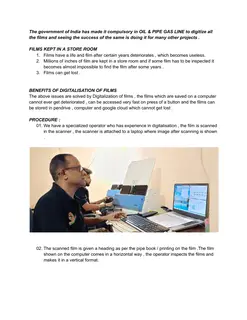
Radiographic film digitisation for IOCL and GAIL
TCR Engineering digitises pipeline radiographic film to ASME Section V Article 2 and ASTM E1936 and archives it on a secure cloud platform, with 250,000+ films digitised for Indian oil and gas operators including IOCL and GAIL. Digitised film stops degrading and stays searchable for integrity work long after construction; why operators are moving off physical film.
TCR Engineering's central operations team in Bengaluru, made up of IT and Google-certified specialists, coordinates remotely with sites across India so that every digitised film meets the density and resolution requirements of ASME Section V Article 2 and ASTM E1936.
Key Benefits of NDT Film Digitisation:
- Prevents film degradation while maintaining image quality
- Eliminates physical storage costs for films
- Allows secure storage on custom developed Google Cloud platform
- Enables archiving of inspection RT reports including UT and MPI data
- Utilises Artificial Intelligence (AI) for easy retrieval and comparison of scans
Standards: API 1104 (welding of pipelines and related facilities), ASME B31.4 and B31.8 (liquid and gas pipeline transportation codes), SAEP-1143 (Saudi Aramco radiographic engineering procedure), the Indian Boiler Regulations, AERB Safety Manual AERB/RF-IR/SM-1 Rev. 2, with SMPV(U) Rules 2016 and Gas Cylinder Rules 2016 (PESO).
Saudi Aramco radiographic procedure and Internal RT Crawler
Saudi Aramco approved Radiographic Standard Procedure TCR.QCP.REV-02 (2023) is conformant with SAEP-1143 (Engineering Procedure for Radiographic Examination, 6 September 2020). Saudi Aramco Engineering Report SAER-13115 dated 8 September 2025 names TCR as the technology provider for the Internal RT Crawler.
- Approved procedure: Radiographic Standard Procedure TCR.QCP.REV-02 (2023), conformant with SAEP-1143 dated 6 September 2020.
- Engineering report: Saudi Aramco SAER-13115 dated 8 September 2025 names TCR as the technology provider for the Internal RT Crawler.
- Crawler diameter range: 16 inch to 52 inch.
- X-ray heads: 160, 200 and 300 kV at 5 mA.
- Positioning accuracy: ±5 mm.
- Operating temperature: minus 10 to plus 70 degrees Celsius.
Internal RT Crawler specifications. 16 inch to 52 inch diameter range. 160, 200, and 300 kV X-ray heads at 5 mA. ±5 mm positioning accuracy. Operating temperature range minus 10 to plus 70 degrees Celsius.
Which AERB licences cover TCR's industrial radiography?
Industrial radiography in India needs Atomic Energy Regulatory Board (AERB) licences for operation and for source storage. TCR Engineering holds AERB operation licence 23-IRLOP-893925 and source storage licences at Mumbai (22-ASSF-793303, valid 28 June 2027) and Bhubaneswar (23-ASSF-927086, valid 30 August 2027), with named Radiological Safety Officers on record.
| Credential | Document | Validity |
|---|---|---|
| Operation Licence | 23-IRLOP-893925 | Active |
| Source Storage Facility, Mumbai | 22-ASSF-793303 | Valid 28 June 2027 |
| Source Storage Facility, Bhubaneswar | 23-ASSF-927086 (Plot 125/2094, Vishnu Vihar) | Valid 30 August 2027 |
| RSO 1 | Shemi K B, 21-RSO-681725 | Active |
| RSO 2 | Ananta Kishore Parida, 22-RSO-734005 | Active |
| BARC leak certificates | Multiple | 2024 |
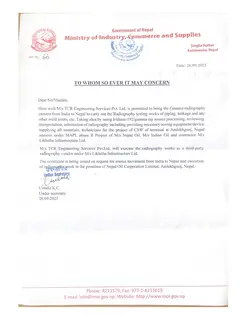
Cross-border permission: Nepal Oil Corporation Ref 2080/81 dated 30 July 2023 for the Motihari to Amlekhgunj International Pipeline (MAPL) Phase II via Likhitha Infrastructure (a cross-border deployment outside the GCC).
Engineers India Limited (EIL) PMC Approval Pack, 12-Year Footprint
EIL approval covers BPCL Kochi NHDS/SRR Health Check IREP (2012), OPaL Petrochemical Complex Dahej (2013), PNCPL/NRL Bhubaneswar lab approval (2023), multiple EIL-approved Procedure Qualification Records spanning 16 inch to 24 inch diameter on GAIL MNJPL, NRL Brahmaputra River Crossing, ADPL HDD Odisha Rivers, and KGPL, plus EIL Approval renewals 2024 to 2025.
- BPCL Kochi: NHDS/SRR health check under IREP, 2012.
- OPaL Dahej: petrochemical complex, 2013.
- PNCPL and NRL Bhubaneswar: laboratory approval, 2023.
- EIL-approved Procedure Qualification Records: 16 inch to 24 inch diameter.
- Projects covered: GAIL MNJPL, the NRL Brahmaputra river crossing, ADPL HDD Odisha rivers, and KGPL.
Other Owner / Consultant Approvals
- Adani-Total / Dhamra LNG Terminal: Letter Ref 2340-RLNG-DLTPL-NRP-L-0005 dated 20 October 2021 (EPCC NRP Projects, PMC Wood).
- BHEL NTPC Talcher TTPP-III: BHEL email dated 20 December 2025 approving TCR for the 2 x 660 MW NTPC Talcher Project via Power Mech Projects.
- CGD operator approvals: Bhagyanagar Gas Limited (HPCL-GAIL JV) BGRL Spread-2 Maharashtra via Tractebel ENGIE PMC (June 2021) and Karnataka via Tolani Projects (2022); Green Gas Limited Lucknow GA (December 2022); Torrent Gas Karaikal Puducherry (June 2023).
IOCL PQR Pack
IOCL Procedure Qualification Records covering 12 inch through 36 inch diameters, the foundation of cross-country pipeline mainline radiography.
Pipeline radiography track record
TCR Engineering has radiographed 14,000+ pipeline girth welds across 2,600+ km of cross-country mainline, and Indian Oil and GAIL approve it for pipeline radiography and film digitisation on the National Gas Grid. The list below carries the project-level record, from single-project digitisation to the PWHT work delivered alongside radiography.
- 14,000+ pipeline girth welds radiographed across 2,600+ km of cross-country mainline.
- 9,266 weld joints digitally scanned and cloud-archived on a single project (EnProCon TJTC Kolar).
- 20+ named cross-country pipeline projects with 15+ master contractors.
- Three PWHT engagements delivered alongside RT.
Pipeline radiography on video
Documents
Download the reference documents for this page. Every file is hosted on this domain and is also listed in the site document library.
Related insights
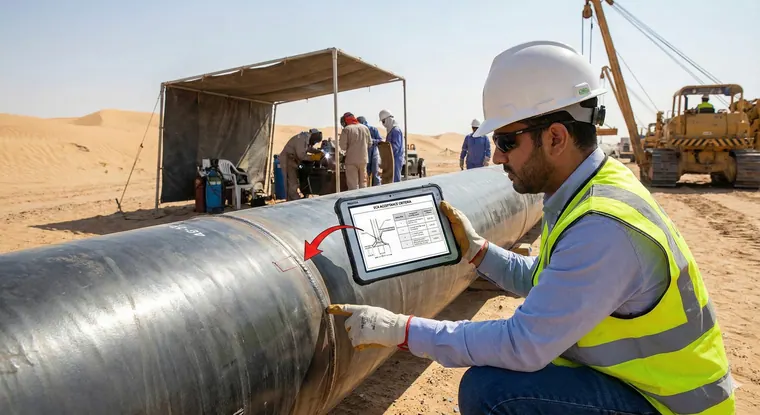
4 published insights on this site bear directly on Pipeline Radiography. They are below; the full index carries all 80 Non-Destructive Testing insights.
-
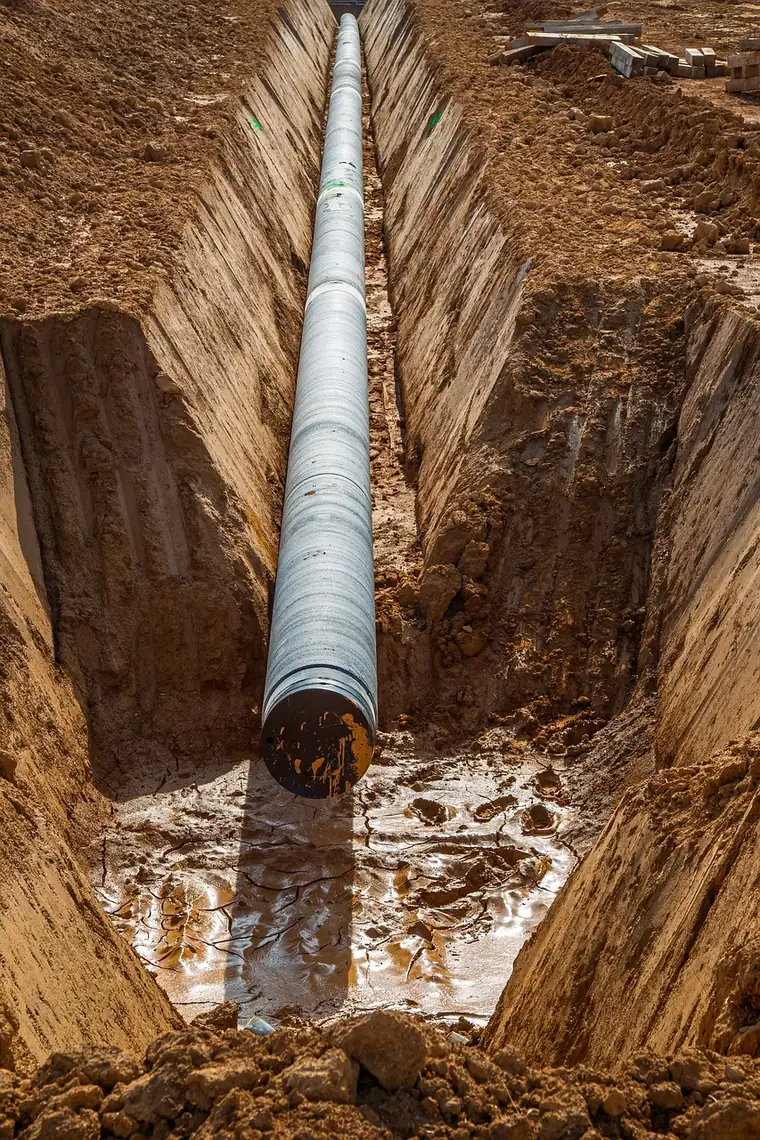
General Approach for ECA of Girth Welds in Pipelines: A Practical Guide for Large-Diameter Gas Lines
Engineering Critical Assessment of girth welds transforms weld acceptance from guesswork into science-backed decisions for pipeline integrity
-
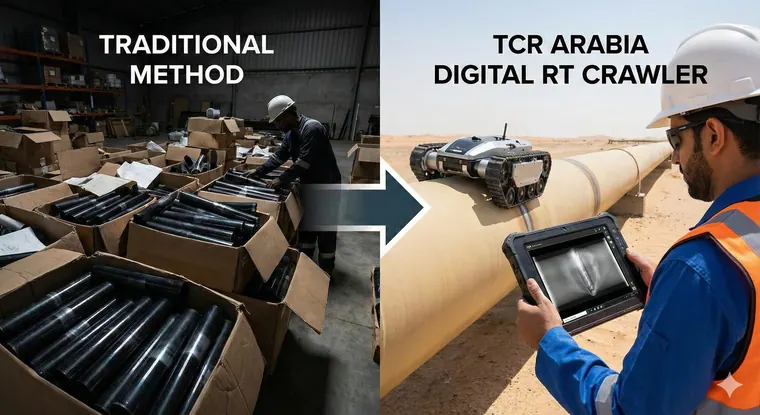
RT Crawler Technique Gets Saudi Aramco's Nod: A Game-Changer for Pipeline Radiography
TCR Arabia's RT Crawler Technique approved by Saudi Aramco. Faster pipeline weld inspection with digitalised film storage across all diameters.
-
Computed Radiography for Cross-Country Pipelines
TCR Engineering, with its expertise in Computed Radiography (CR), is committed to providing reliable and high-quality NDT services
-
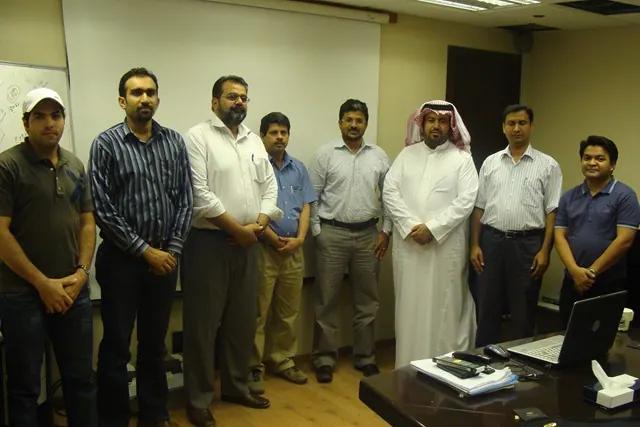
TCR Arabia completes Radiography Level II for TUV Rheinland
Trained a group of 6 students from TUV Rheinland
Read all 80 Non-Destructive Testing insights →All insights →
Frequently asked questions
Which standards govern TCR's pipeline radiography?
Weld acceptance follows API 1104 for pipelines and related facilities, with ASME B31.4 and B31.8 as the transportation codes. Saudi Aramco work runs to SAEP-1143 under approved procedure TCR.QCP.REV-02. Computed radiography follows ASTM E2033 and ISO 17636-2, and film digitisation follows ASME Section V Article 2 and ASTM E1936.
Can welds be radiographed from inside the pipeline?
Yes. Internal RT crawlers travel inside the line and radiograph circumferential butt welds where external access is limited, covering diameters from 16 inch to 52 inch. Saudi Aramco Engineering Report SAER-13115 dated 8 September 2025 names TCR as the technology provider for the Internal RT Crawler.
What is TCR's cross-country pipeline track record?
TCR has radiographed 14,000+ pipeline girth welds across 2,600+ km of cross-country mainline, with IOCL procedure qualification records covering 12 inch to 36 inch diameters. Cross-border work includes the Motihari to Amlekhgunj International Pipeline into Nepal, executed under Nepal Oil Corporation permission via Likhitha Infrastructure.
Does TCR digitise old RT films?
Yes. RT films are digitised to IOCL and GAIL requirements in full accordance with ASME Section V Article 2 and ASTM E1936, then archived on a secure cloud platform with AI-assisted retrieval. On a single project, 9,266 weld joints were digitally scanned and cloud-archived.
Is TCR licensed to handle radiography sources?
Yes. TCR holds AERB operation licence 23-IRLOP-893925 with licensed source storage facilities in Mumbai (22-ASSF-793303, valid to 28 June 2027) and Bhubaneswar (23-ASSF-927086, valid to 30 August 2027), certified Radiological Safety Officers, and BARC leak certificates for its sources across India.
Is TCR approved by Indian Oil and GAIL for pipeline radiography?
Yes. Indian Oil and GAIL approve TCR Engineering for radiography and radiographic film digitisation on cross-country and city-gas pipelines of the National Gas Grid. Across its pipeline work TCR has radiographed 14,000+ girth welds over 2,600+ km of mainline, under AERB operation licence 23-IRLOP-893925, from its base in Navi Mumbai.
Does TCR use computed radiography on pipeline welds?
Yes. TCR Engineering performs computed radiography of cross-country pipeline welds to ASTM E2033 and ISO 17636-2, using phosphor imaging plates in place of film and a scanner that turns the stored image into a digital one for viewing, analysis and archiving. Film and internal crawler radiography remain available where the project specification calls for them.