
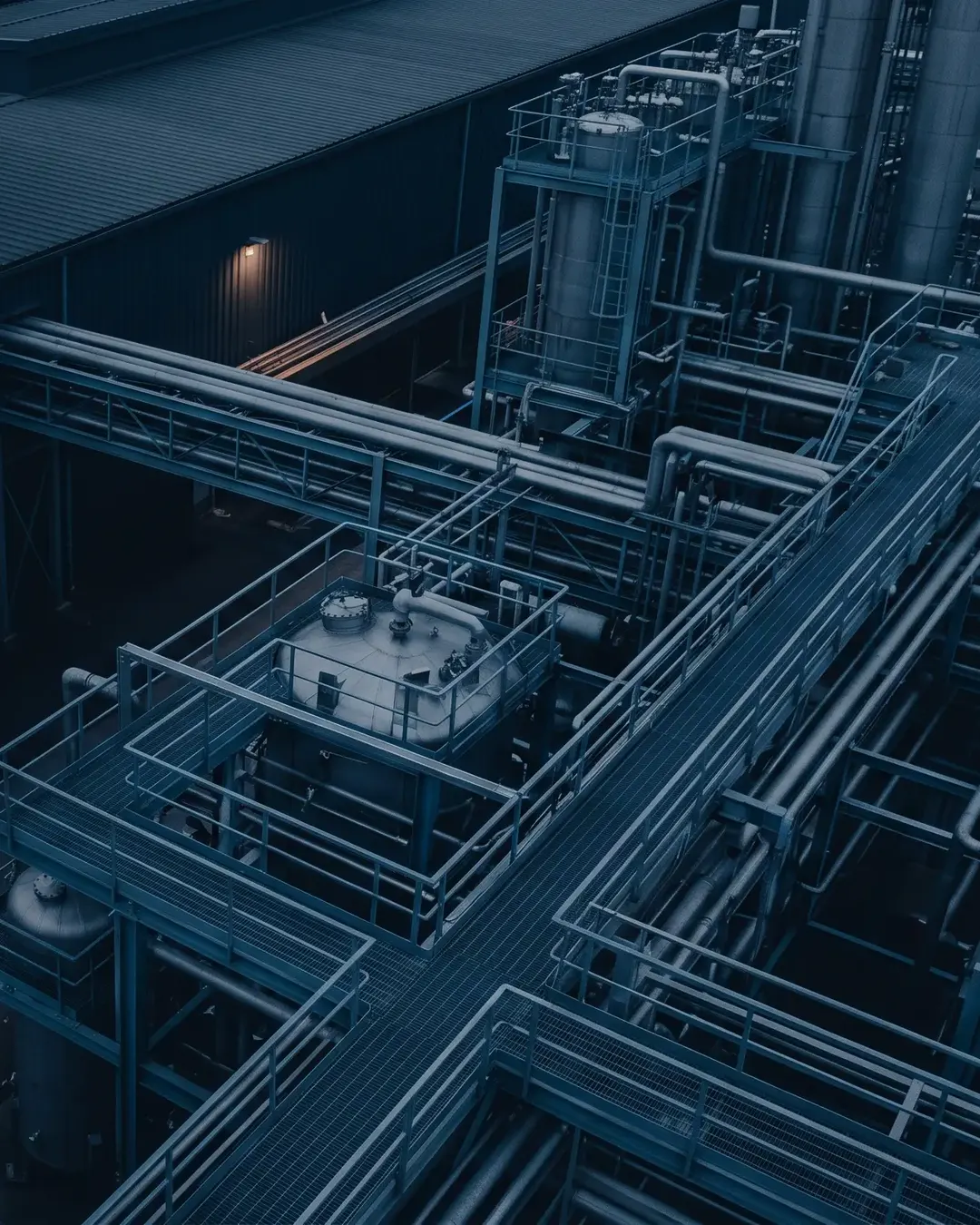
Services · Non-Destructive Testing
Thermography Inspection, Visual and Drone Survey
A borescope and videoscope fleet of eighteen units covers remote visual work to ASME Section V and API 510, 570 and 653, while submersible ROV inspection reads bridge piers underwater with sonar and a 3 to 250 mm ultrasonic gimbal.
Request a Quote
In brief
TCR Engineering Services Pvt. Ltd. carries out infrared thermography inspection of electrical systems, rotating machinery, furnaces, boilers and tank shells in service, and remote visual inspection to ASME Section V and API 510, 570 and 653 by ASNT SNT-TC-1A qualified inspectors across India and the GCC. Drones use TCR and partner inventory; underwater ROV work runs through the Planys alliance.
Overview
Visual and remote visual inspection per ASME Section V and API 510, 570, 653. Borescope and videoscope fleet across 18 units.
- Visual and remote visual: ASME Section V and API 510, 570 and 653.
- Thermography: infrared sensors capture heat radiation from operating equipment without contact, now also flown by helicopter for large areas.
- Process assets: blockages and deposits in pipelines carrying hot or cold fluids, and insulation or refractory damage in furnaces, boilers and heaters.
- Electrical and rotating: substations, transformers, control panels, motors and generators.
- Bridge robotics: the Planys alliance submersible ROV with HD camera, SONAR silt assessment, and an ultrasonic probe on a gimbal covering 3 to 250 mm thickness.
Bridge-inspection robotics, including underwater submersible ROV inspection through the Planys alliance, with HD camera, SONAR silt assessment, and ultrasonic probe with gimbal capable of 3 to 250 mm thickness range, for sub-water bridge pier and abutment inspection.
TCR employs thermography testing to detect temperature anomalies in equipment during operation using remote, non-contact methods. This technique, now also performed via helicopters for large areas, captures heat radiation from hot objects using infrared sensors to create thermal images. By analysing the hot and cold regions, the condition of the equipment can be assessed.
Thermography is valuable in detecting blockages or deposits in pipelines carrying hot or cold fluids, as well as insulation or refractory damage in furnaces, boilers, and heaters. It is also widely used for monitoring electrical substations, transformers, control panels, and rotary equipment like motors, generators, and turbines for signs of overloading, overheating, and faulty contacts.
Governing standards
Visual and remote visual inspection runs to ASME Section V and to the API in-service codes. Underwater robotic inspection follows the NDT terminology and ROV codes of practice named below. Thermography itself is a condition-based survey and is reported against the equipment condition rather than a single acceptance code.
| Method | Application | Standards |
|---|---|---|
| Visual and remote visual inspection | Vessels, piping and tanks in service | ASME Section V; API 510, 570, 653 |
| Submersible ROV underwater inspection | Bridge piers, abutments, intakes and water tanks | ASTM E1316; IMCA R 004 |
Equipment and asset scope
Infrared sensors capture heat radiation from operating equipment without contact, and the survey is now also flown by helicopter where the area is large.
- Thermal: infrared sensors, non-contact, helicopter-flown where the area is large.
- Remote visual: a borescope and videoscope fleet of eighteen units.
- Underwater: a Planys alliance submersible ROV carrying an HD camera, SONAR silt assessment, and an ultrasonic probe on a gimbal with a 3 to 250 mm thickness range.
- Drones: deployed under the robotic inspection practice from a mix of TCR and partner inventory.
Remote visual work draws on a borescope and videoscope fleet of eighteen units. Underwater inspection uses the Planys alliance submersible ROV carrying an HD camera, SONAR silt assessment, and an ultrasonic probe on a gimbal with a 3 to 250 mm thickness range, reading bridge piers and abutments below the waterline.
Representative deployments
TCR has inspected more than 500 bridges across India, and the bridge-inspection robotics and ROV work carries that record below the waterline.
- Bridges inspected: more than 500 across India.
- BMC programme: AI-assisted underwater inspection across more than 400 bridges from March 2026.
- Maharashtra PWD: a long-running robotic NDT programme within that record.
The BMC programme, separate from the 500-plus record, has used AI-assisted underwater inspection on more than 400 bridges since March 2026, and robotic NDT for Maharashtra PWD continues as a long-running programme.
Where is thermography inspection used in an operating plant?
TCR Engineering runs thermography inspection as an in-service non-destructive testing survey wherever a temperature pattern shows a fault before it becomes a failure: refractory loss, blockage, overheating or moisture. The thermal image locates the anomaly; the follow-up NDT, metallurgy or engineering assessment decides what it means and what is done.
- Refining and petrochemicals: fired heaters on stream in refineries and petrochemical plants, alongside remote visual inspection and robotic tools.
- Power generation: boiler casings, ducting and electrical systems on load in power plants.
- Fertilisers: reformer tube skin temperature and hotspots, read with pyrometry, in fertiliser plants.
- Steel and metals: furnace shells, ladles and torpedo cars, for refractory hotspots in steel plants.
- Railways: traction and electrical systems on railway and metro assets.
- Buildings: moisture ingress and electrical hotspots in occupied buildings.
Thermography on video
Related insights
1 published insight on this site bears directly on Thermography and Drone. It is below; the full index carries all 80 Non-Destructive Testing insights.
-
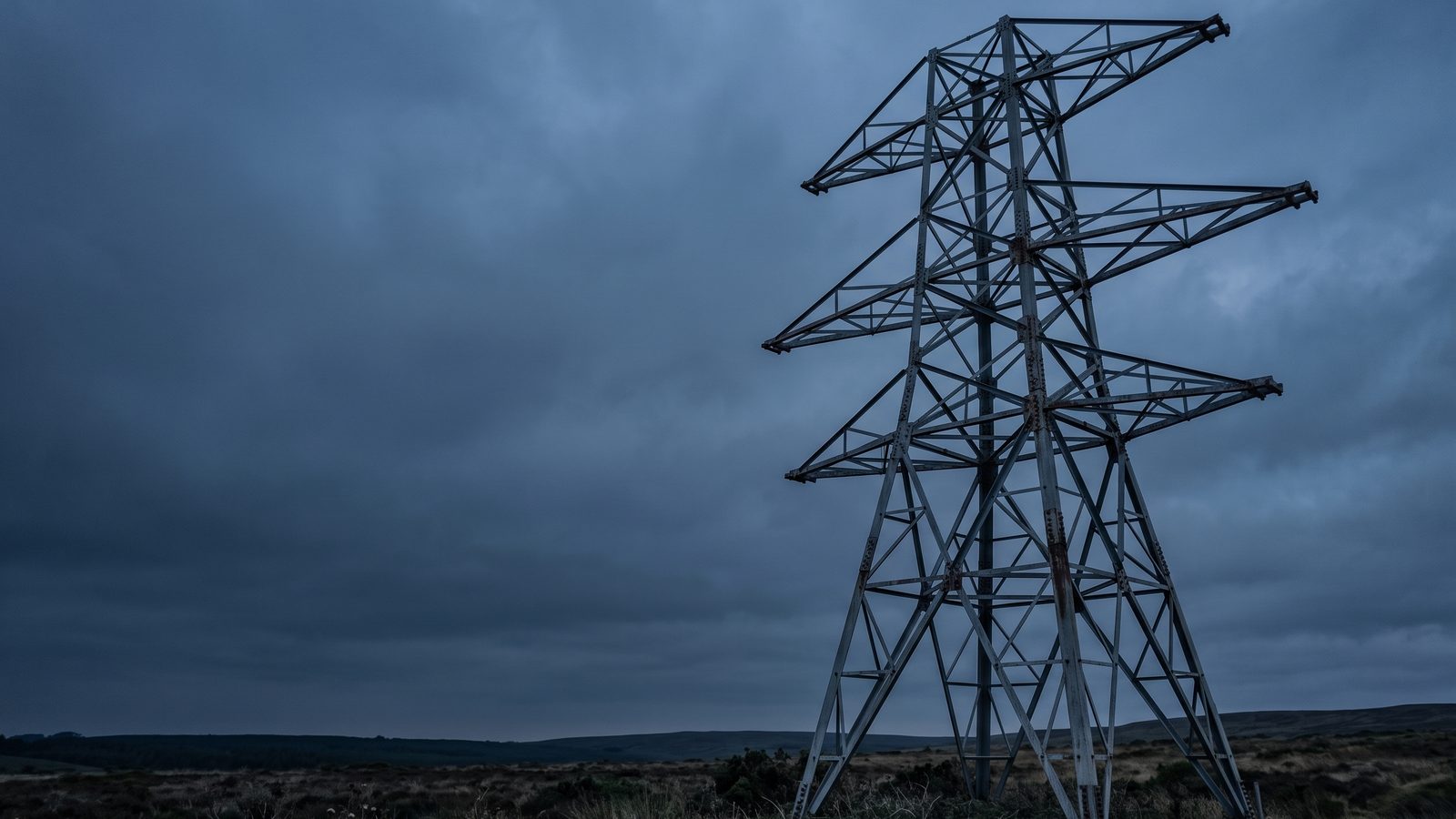
Remaining life of an ageing 220 kV transmission tower: the damage mechanisms that decide it and how they are found
An ageing 220 kV lattice tower is limited by zinc loss, stub corrosion, bolt and member damage and foundation distress. How each is found, judged and monitored.
Read all 80 Non-Destructive Testing insights →All insights →
Frequently asked questions
What does infrared thermography detect?
Infrared thermography detects temperature anomalies in equipment during operation using remote, non-contact methods. It finds blockages or deposits in pipelines carrying hot or cold fluids, insulation or refractory damage in furnaces, boilers and heaters, and overloading, overheating and faulty contacts in electrical substations, transformers, control panels and rotary equipment such as motors, generators and turbines.
Can thermography survey large or elevated areas?
Yes. The technique captures heat radiation from hot objects using infrared sensors to create thermal images, and it is now also performed via helicopters for large areas, so the hot and cold regions can be assessed without contact or shutdown.
What standards govern visual and remote visual inspection at TCR?
Visual and remote visual inspection follows ASME Section V and API 510, 570 and 653. The work draws on a borescope and videoscope fleet of eighteen units.
Can TCR inspect structures underwater?
Yes, through its underwater ROV alliance with Planys Technologies. A submersible remotely operated vehicle carries an HD camera, SONAR silt assessment and an ultrasonic probe on a gimbal with a 3 to 250 mm thickness range, for sub-water bridge pier and abutment inspection.
Is thermography inspection a NABL accredited test at TCR?
No. Thermography inspection is a condition survey and is not among the tests on NABL certificate NABLT0726MH18640, so TCR reports it against the equipment condition rather than as an accredited result. Where a thermal anomaly needs confirming, the follow-up ultrasonic, radiographic, magnetic particle or penetrant testing is within that scope.