
Industries
Energy Transition
Ammonia is the largest near-term play. The National Green Hydrogen Mission target of five million tonnes a year by 2030 implies green-ammonia capacity across twelve or more announced Indian projects, and all of it is static equipment.
Request a QuoteIn brief
TCR runs no separate energy-transition practice, because the energy transition arrives as new duty on equipment TCR already tests, inspects and assesses. Industrial decarbonisation, electric mobility, hydrogen-based chemistry and steelmaking, ammonia bunkering for marine fuel, captive renewables at thermal plants and carbon capture all reach the same refineries, fertiliser plants, power stations, pipelines and steel works, and are answered with the same hydrogen embrittlement, sour service, CTOD, fitness-for-service and remaining life work.
Overview
Every energy-transition programme ends in static equipment: the vessels, tanks, pipework and tubes that hold hydrogen, ammonia, supercritical CO2, refrigerated cryogens or bio-feedstock chemistry. Static equipment is TCR's specialism, and the practices that answer it are ones TCR already runs.
- The practices: laboratory testing, NDT, Fitness for Service, Remaining Life Assessment, Knowledge-Based Audit and Engineering Critical Assessment.
- The themes on this page: hydrogen service, the ammonia value chain, carbon capture, renewable feedstocks and sustainable aviation fuel, electric vehicles and battery storage, captive renewables, and climate-resilience capex.
Hydrogen Service Across the Catalogue
Hydrogen damage has been core integrity work for TCR since its early refinery assignments. Decarbonisation widens who needs it: green-hydrogen production at electrolyser plants, hydrogen blending in natural-gas trunklines, hydrogen-fuelled aviation, automotive and rolling stock, hydrogen-DRP green steel, and hydrogen co-firing in thermal power. The test methods below are established; the number of buyers is growing.
| Capability | Standard | Where it applies |
|---|---|---|
| Hydrogen embrittlement screening on plated and coated fasteners | ASTM F519; ASTM F1624 incremental step-load planned for 2026-27 | Aerospace, automotive, pipelines |
| Hydrogen embrittlement on alloy and carbon-steel bolting in petroleum and natural gas | API 20E | Oil and gas upstream |
| Hydrogen induced cracking on sour-service line pipe | NACE TM0284 (Solution A and Solution B) | Pipelines, oil and gas |
| Stepwise cracking and stress-oriented HIC | NACE TM0284 plus NACE TM0177 Method A combined | Pipelines, oil and gas |
| Hydrogen induced disbonding (HID) of stainless overlay and clad plate, facility commissioned April 2026 | ASTM G146 | Clad pressure vessels and overlays in high-temperature, high-pressure refinery hydrogen service; refining and petrochemicals, chemicals |
| High temperature hydrogen attack detection in operating equipment | API 941 (Nelson curves) | Refining, fertilisers and steel, with fitness-for-service assessment |
| CTOD with H2S hydrogen pre-charging on sour-service material | ISO 15653, ISO 12135, BS 8571, NACE TM0177, NACE MR0175 / ISO 15156, NACE TM0284; the L&T-developed 96-hour H2S charge plus 20-minute load window | Oil and gas, marine and offshore |
The same methods qualify green-hydrogen equipment: PEM and alkaline electrolyser equipment, hydrogen storage and transmission pipework, hydrogen fuel-station compressors and dispensers, ammonia synthesis loops fed by green hydrogen, and aerospace hydrogen-fuel pressure vessels.
The Ammonia Value Chain
Ammonia is the largest near-term energy-transition market for integrity work. The National Green Hydrogen Mission target of 5 million metric tonnes per annum of green hydrogen by 2030 implies green-ammonia capacity additions across 12 or more announced Indian projects, all of it static equipment.
The IMO marine-fuel decarbonisation pathway to 2030 and beyond is bringing ammonia bunkering to GCC, Singapore and Indian ports, and ammonia co-firing in thermal power is a third source of demand.
TCR's ammonia work grows out of its fertiliser plant practice and extends across:
- Green ammonia (electrolyser-fed): API 941 high temperature hydrogen attack assessment in front-end synthesis, and corrosion testing for high-purity hydrogen feed handling.
- Blue ammonia (ammonia plus CCUS): amine-system corrosion qualification, as in refining.
- Ammonia as marine fuel: refrigerated-ammonia tank integrity work, including leak-before-break study capability on an 18,000 MT API 620 Appendix R tank, carried into bunkering vessels and port-side storage (see Marine and Offshore).
- Ammonia for power co-firing: combustion-side material qualification (see Power Generation).
- Track record: RBI of 10 ammonia tanks at 6 sites: CFCL Kota, DFPCL Taloja, Paradeep Phosphates (3 tanks of 10,000 MT each, per the EFMA and API 580 framework), IFFCO Kandla, IFFCO Kalol (2 tanks) and RCF Trombay (2 double-wall, double-integrity tanks).
Carbon Capture, Utilisation, and Storage (CCUS)
Carbon capture, utilisation and storage brings three kinds of integrity work: amine-system corrosion, supercritical CO2 transmission piping, and FCC flue-gas capture retrofits.
| Scope | What is qualified |
|---|---|
| Amine-system corrosion qualification | MEA degradation, regenerator and rich-amine exchanger corrosion, foaming-induced erosion, in refining (FCC retrofit, SMR) and fertilisers (blue ammonia) |
| Supercritical CO2 transmission piping | Dense-phase brittle-fracture qualification and under-deposit corrosion at low temperatures, with ASME B31.4 and B31.8 adapted to CO2 service (see Pipelines) |
| FCC flue-gas CCS retrofit qualification | High-temperature material qualification at the post-combustion capture interface, in refining and power |
The CO2 EOR (enhanced oil recovery) trend in the Indian onshore basins (Bombay High, Cambay, Krishna-Godavari, Cauvery) brings supercritical CO2 piping and reservoir-tie-in qualification work (see Oil and Gas Upstream).
Renewable Feedstocks and Sustainable Aviation Fuel (SAF)
Renewable-feedstock co-processing on existing refining hydroprocessing trains brings new corrosion-mechanism scope: free fatty acid corrosion on co-processing units; chloride introduction from waste-oil feedstock; oxygenate cracking. TCR's corrosion testing laboratory and corrosion-monitoring work carry the qualification.
- Sustainable aviation fuel: production at BPCL Bina, IOCL Paradip Petrochemical Complex, HPCL Mumbai and Reliance Jamnagar, which brings refinery capex (see Refining and Petrochemicals).
- Bio-based chemicals and bio-refining: lactic acid, succinic acid, bio-ethylene and furfural, which bring new corrosion mechanisms on bio-feedstock streams (see Chemicals).
Electric Vehicles, Battery Energy Storage, and the Lightweight-Structure Layer
Electric mobility and battery storage bring new tests to TCR's automotive work, from the thermal barrier inside the pack to the structure that holds it.
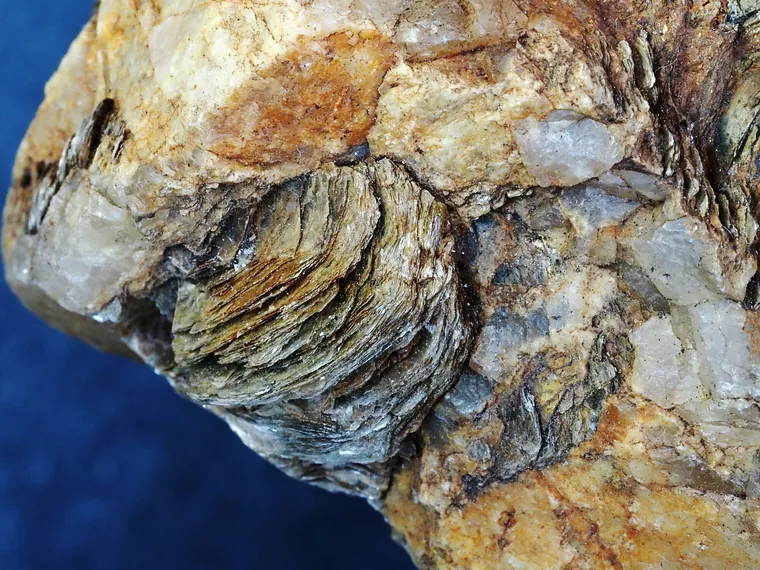
- Mica thermal-insulation barriers: thermal conductivity per ASTM C177 and ISO 8302 guarded hot plate, qualifying the barrier against thermal-runaway propagation; a new application from May 2026, with a client base that spans Ola Electric, Ather Energy and TVS Motor.
- Battery-pack structural mounting: cyclic-load fatigue qualification of module-mounting structures per ASTM E466 and E606.
- Cell and BMS housings: compositional and mechanical qualification of cell-can materials and BMS chassis.
- Battery energy storage at thermal-plant sites: new electrochemical and fire-safety scope, and referee work where a BESS fire event occurs.
- Hydrogen fuel-cell vehicles: hydrogen embrittlement and pressure-vessel scope from the Tata Motors, Toyota and Hyundai pilot programmes and the hydrogen fuelling stations they need.
Captive Renewable Integration at Thermal and Industrial Sites
Renewables at thermal and industrial sites bring structural, fatigue and hydrogen-storage work to plants TCR already serves.
- Solar PV: structural-steel testing for module-mounting structures at thermal-plant sites.
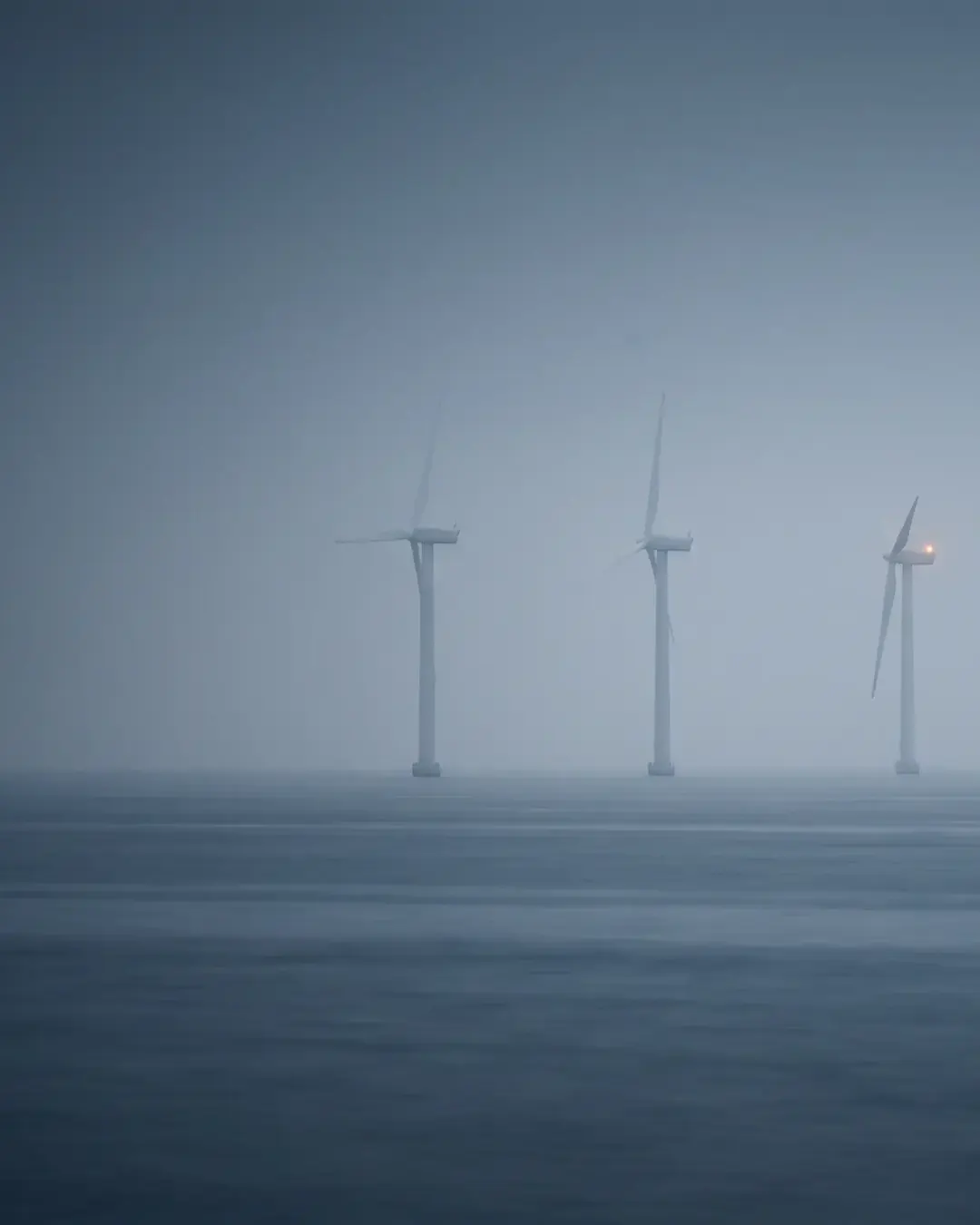
- Wind: foundation pile, transition-piece and monopile-to-tower flange testing, with dynamic-fatigue and cathodic protection scope on floating offshore wind.
- Cycling effect: cycling and flexible operation of baseload coal plant to accommodate renewables drives low-cycle fatigue damage across the existing thermal fleet.
- Hydrogen fuelling: the Government of India hydrogen fuel-station rollout for trucking on the highway corridor brings hydrogen-storage and pressure-vessel scope.
Climate-Resilience Capex
Climate-adaptation capex adds testing and inspection scope wherever structures are hardened against flood, cyclone and fire:
- Flood-resistant bridge design and scour-mitigation engineering
- Sub-water bridge-pier inspection
- Cyclone-resistant façade and cladding
- Hurricane-resilient structural-steel framing
- Fire-resilient industrial structures
The Strategic Position
The energy transition is a continuation of the integrity-engineering work TCR has done since 1973, applied to new equipment, new materials and new operating envelopes; it does not need a separate practice or new capability builds. What carries over:
- The archive: more than 9,000 failure investigations and more than 100,000 replicated microstructures.
- The published bench: ASM International authorship.
- The in-house rigs: long-duration creep, fatigue and CTOD, sour-service corrosion, and hydrogen induced disbonding.
- The digital layer: the AiOM platform, with AiOM-CCP for cross-country pipelines.
- Accreditation: NABL ISO/IEC 17025:2017, with ILAC MRA reciprocity.
- Cathodic protection: turnkey cathodic protection through the CP Division.
Related insights
2 published insights on this site carry the Energy Transition tag. The 2 most recent are below.
-
Mica Testing Laboratory India: A Complete Guide to Quality Assurance and Compliance Standards
Discover how mica testing laboratory India services ensure quality compliance for electrical insulation, EV batteries & industrial applications.
-
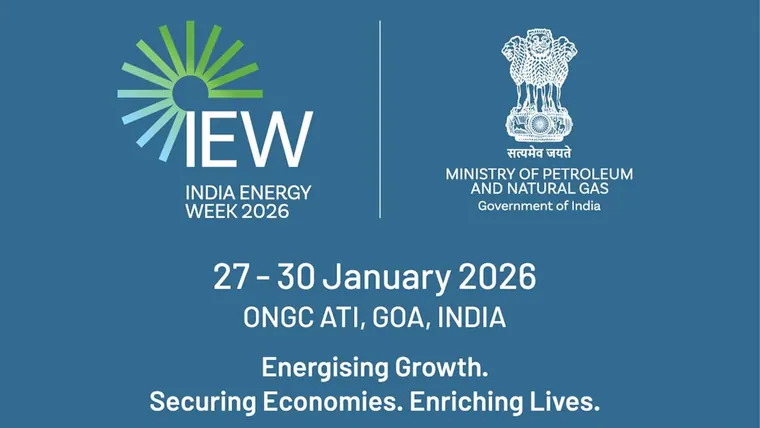
Where Energy Meets the Future
TCR Engineering heads to India Energy Week 2026, bringing precision, integrity, and future-ready engineering to the global energy stage.
Frequently asked questions
Is energy transition a separate TCR division?
No. Energy transition work runs through every industry TCR already serves: industrial decarbonisation, electrification of mobility, hydrogen-based chemistry and steelmaking, ammonia bunkering, captive renewable integration and the carbon-capture capex layer all touch the same buyers TCR already serves.
Does TCR test materials and equipment for hydrogen service?
Yes. Hydrogen has been an integrity-engineering priority since its early refinery work, and the capability extends to green-hydrogen electrolyser plants, hydrogen blending in natural-gas trunklines, hydrogen-DRP green steel and hydrogen co-firing in thermal power.
What does TCR offer green ammonia projects?
Ammonia is the largest near-term energy-transition market for integrity work. The National Green Hydrogen Mission target of 5 million metric tonnes per annum by 2030 implies green-ammonia capacity additions across the 12-plus announced Indian projects, and TCR's static-equipment testing, NDT, FFS and RLA practices carry that scope.
Does TCR cover carbon capture, utilisation and storage?
Yes. Carbon capture brings three kinds of integrity work: amine-system corrosion, supercritical CO2 transmission piping and FCC flue-gas capture retrofits. On the equipment that holds supercritical CO2 and refrigerated cryogens, TCR's testing, NDT, FFS, RLA, KBA and ECA practices remain the work.
Can TCR qualify materials for renewable-feedstock co-processing?
Yes. Co-processing on existing hydroprocessing trains brings free fatty acid corrosion, chloride introduction from waste-oil feedstock and oxygenate cracking, and TCR's corrosion-testing bench and corrosion-monitoring service line carry the relevant qualification capability.