
Services · Asset Integrity and Engineering Consulting
Weld Repair Procedures for Critical Components
Repair the critical component instead of waiting for a replacement.
Request a Quote
In brief
TCR Engineering Services Pvt. Ltd., Navi Mumbai, India, whose laboratory is NABL ISO/IEC 17025:2017 accredited (NABLT0726MH18640), designs weld repair procedures for aged pressure-boundary and critical machinery components: ASME Section IX WPS development, repair-methodology design, a post-repair NDT plan and the test inputs for the fitness-for-service sentencing that TCR Advanced Engineering delivers and signs, each built on a metallurgical investigation of the degradation first.
What does a weld repair procedure from TCR cover?
A weld repair procedure from TCR Engineering is a qualified route back to service for a damaged critical component, delivered by the asset integrity and engineering consulting practice in Navi Mumbai, India. It is designed for the component in its aged condition rather than as new, and it covers the deliverables below.
- Welding procedure specification: developed to ASME Section IX for the material and the repair.
- Repair methodology: designed from a metallurgical investigation of the extent and nature of the degradation.
- Post-repair NDT plan: the examinations that show the welded joint is fit for further service.
- Fitness-for-service sentencing: a decision on the repaired component, supported by a fitness-for-service assessment from TCR Advanced Engineering.
TCR draws on a knowledge bank compiled from more than 9,000 failure investigations across several industries. What those investigations show about failure mechanisms goes directly into the repair weld solutions TCR's team designs.
TCR designs repair weld solutions for aged plant components. With limited material resources and new components costly, a repair weld can salvage a critical process-plant component and avoid the production loss of waiting for a replacement. The repair weld technology requires an in-depth understanding of metallurgical degradations, operating conditions, physical metallurgy and welding technology. The right solution follows from metallurgical fundamentals and engineering analysis.
A breakdown of a critical machinery component needs a decision that will hold. Repair welding done without the metallurgical fundamentals has repeatedly failed, after which management loses trust in repair and replaces components in haste at a premium cost. A systematic metallurgical investigation instead establishes the extent and nature of the degradation, and a proper welding procedure is devised from it.
TCR has provided repair solutions for critical pump casings, shafts, nitrided components and reformers, among other components.
- Given a detailed history of the problem, TCR’s engineering consulting team works at the client’s site, testing and drawing up the repair plan for the affected components, with the mobilisation date confirmed in the quotation.
- A successful repair needs a mock test on the same material, preferably aged material of a similar grade; where none is available, virgin material of a similar grade is the alternative. A mock test will establish the confidence in the welder and welding parameters.
- After successful welding, thorough NDT is recommended to ensure that the welded joints remain sound in future service.
Related services and industries
More in Asset Integrity
No published insight on this site bears directly on Critical Weld Solutions yet. The 3 most recent Asset Integrity articles are below instead, and the full index carries all 93.
-
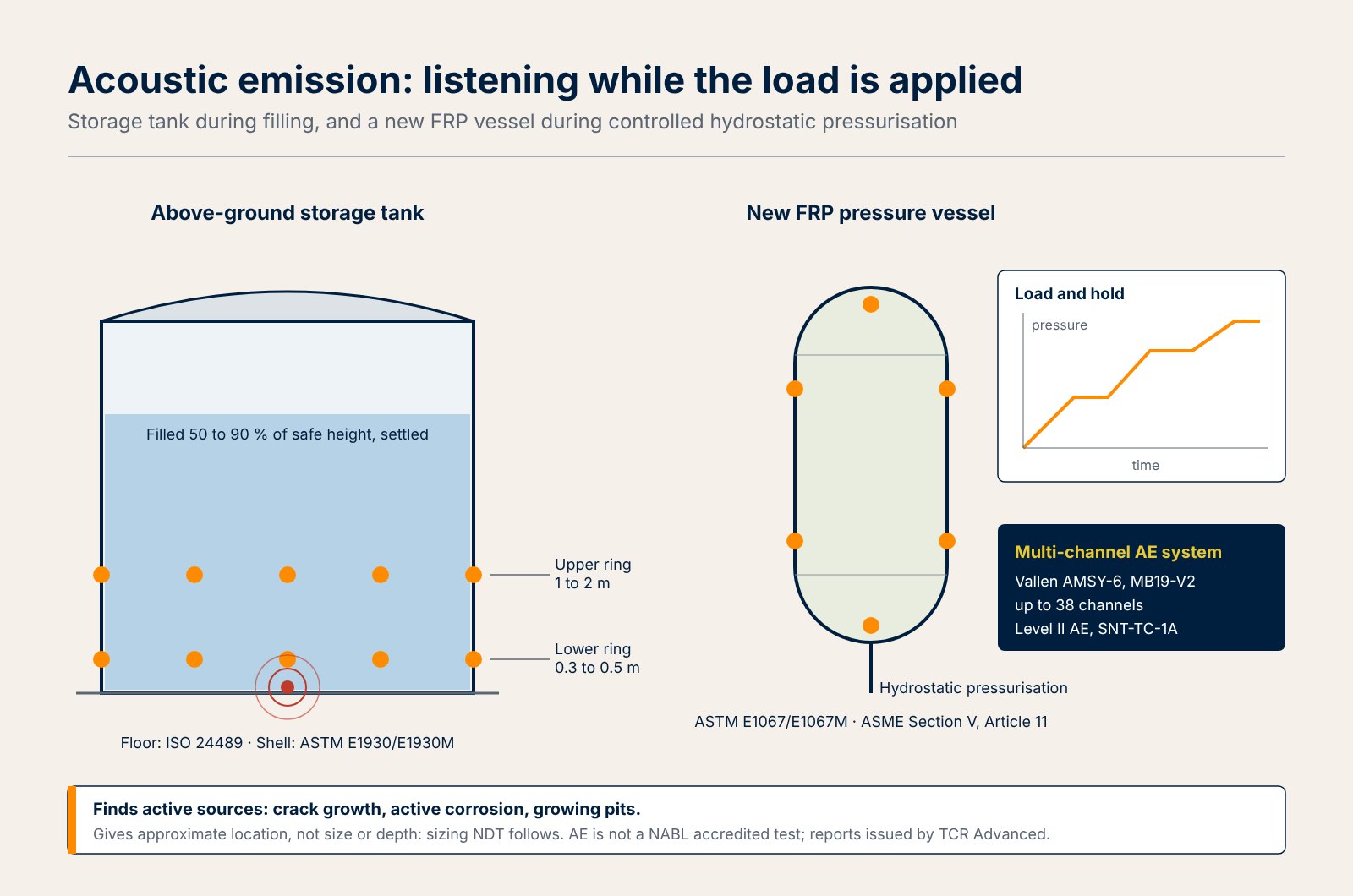
Acoustic emission testing of storage tanks and FRP pressure vessels: what is active now, and what it takes to find out
TCR Advanced Engineering runs acoustic emission testing on above-ground storage tanks and pressure vessels, including new FRP vessels under…
-
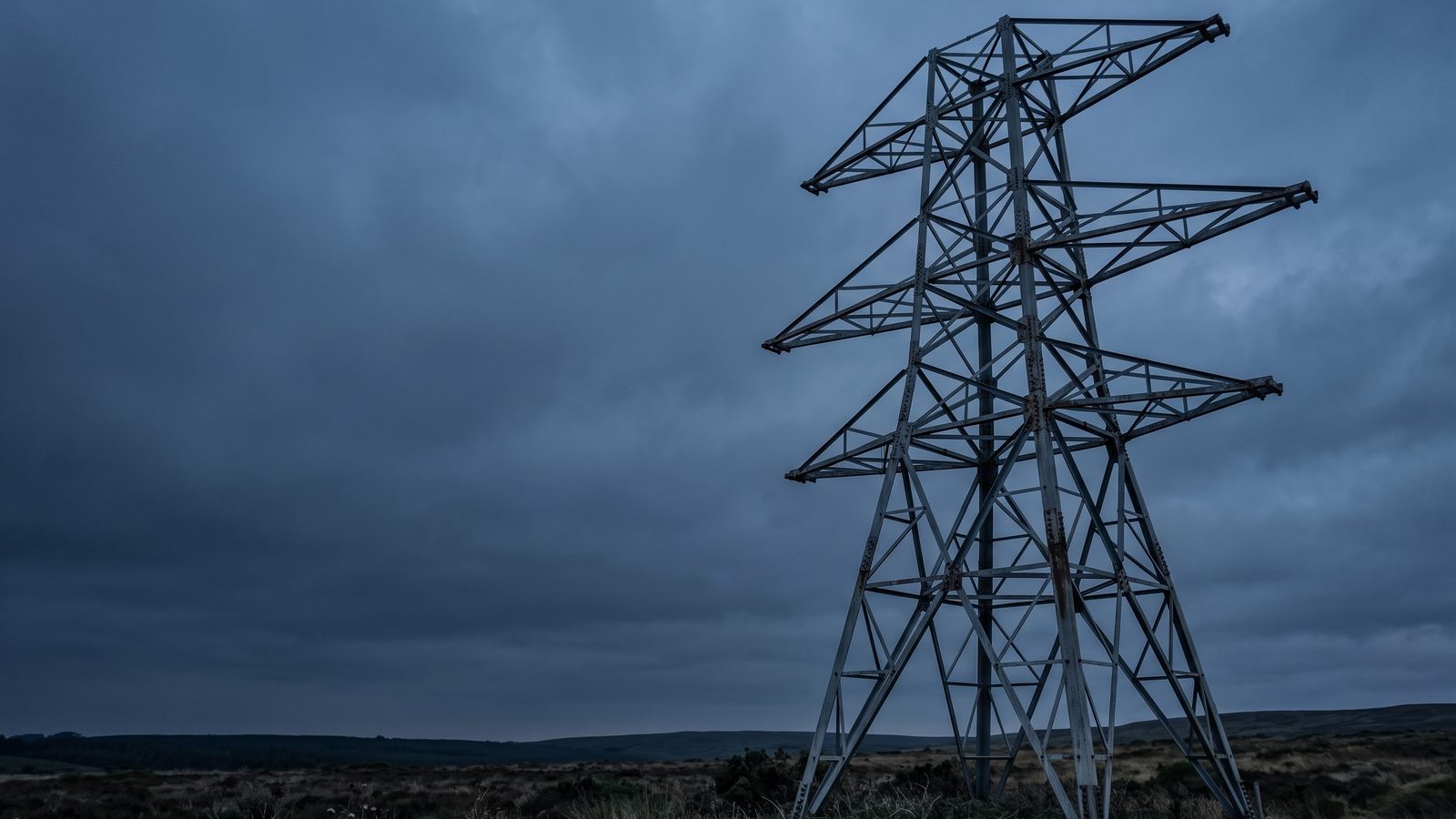
Remaining life of an ageing 220 kV transmission tower: the damage mechanisms that decide it and how they are found
An ageing 220 kV lattice tower is limited by zinc loss, stub corrosion, bolt and member damage and foundation distress. How each is found, judged and monitored.
-
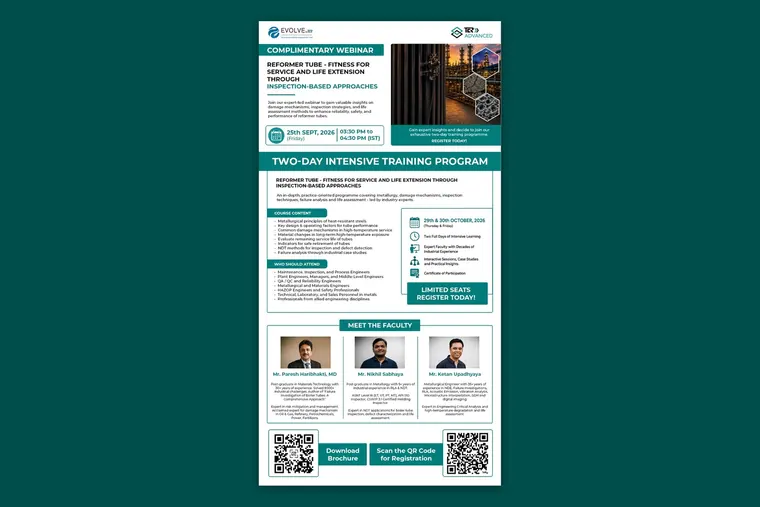
Reformer tube fitness for service: Evolve by TCR opens a complimentary webinar on 25 September 2026
Watch the complete recording of the 25 September 2026 webinar, and see the two-day intensive programme in Vadodara on 29 and 30 October. Both address…
Frequently asked questions
Can TCR work at the site of a weld repair problem?
Given a detailed history of the problem, TCR's engineering consulting team works at the client's site, starts testing and draws up the repair plan, with the mobilisation date confirmed in the quotation.
Why does TCR insist on a mock test before the repair?
A mock test on the same material, preferably aged material of a similar grade, establishes confidence in the welder and the welding parameters; virgin material of a similar grade is the alternative.
Which components has TCR designed weld repairs for?
TCR Engineering has designed weld repair solutions for critical pump casings, shafts, nitrided components and reformers, among other process-plant components, each from a metallurgical investigation of the degradation before any welding is done.
What does a weld repair procedure for an aged component have to establish?
That a repair weld will be sound in material already degraded in service. TCR Engineering establishes the extent and nature of the degradation by metallurgical investigation, develops the welding procedure to ASME Section IX, confirms the welder and parameters on a mock test in similar material, and sets the NDT that shows the repaired joint fit for service.
When is a weld repair a better answer than replacing the component?
When a replacement is costly or hard to obtain and the degradation is understood well enough to repair soundly. A repair weld can salvage a critical process-plant component and avoid the production loss of waiting for a replacement; where the investigation shows a sound repair is not possible, TCR recommends replacement, supported by a fitness-for-service assessment from TCR Advanced Engineering.