
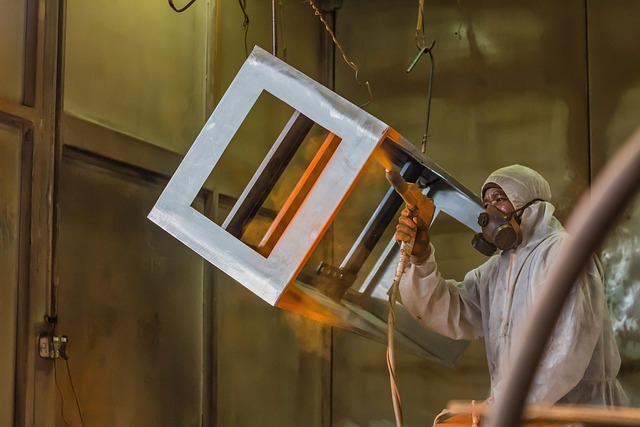
Coating durability testing checks whether a coating protects its metal substrate and stays bonded to it. TCR Engineering runs salt spray to ISO 9227 and ASTM B117 on NABL certificate NABLT0726MH18640 at its Mahape laboratory in Navi Mumbai, India, with peel, scribe-grid and bend adhesion tests to ISO 2819, which are reported outside the NABL scope.
- Salt spray: ISO 9227 and ASTM B117, NABL accredited, and acetic acid salt spray to IS 6910 for aluminium powder coatings
- Adhesion: peel, scribe-grid and bend tests to ISO 2819, for electrodeposited and chemically deposited metallic coatings
- What salt spray shows: a comparison against the coating specification, not a service life
- Where: TCR Engineering, Mahape, Navi Mumbai, India
At TCR Engineering's material testing laboratory in India, our surface durability and adhesion tests compare protective coatings and finishes against their specification.
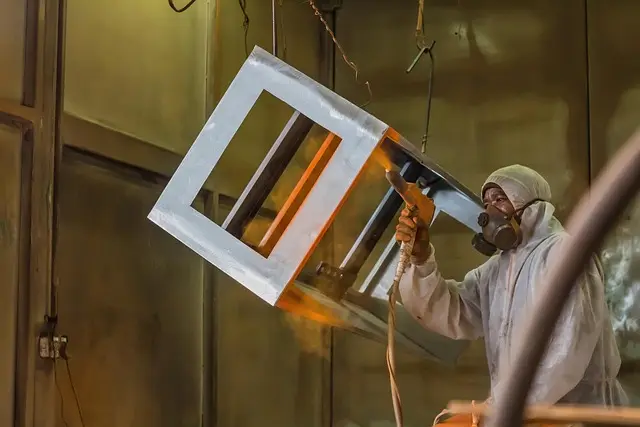
Here are four key surface evaluation tests we conduct in accordance with international standards:
1. Salt Spray Test (ISO 9227 / ASTM B117)
This accelerated corrosion test evaluates the resistance of coatings to a highly saline environment over the hours the specification sets. It is a comparative and conformity check on protective finishes on metals: ASTM B117 itself cautions that salt spray results seldom correlate with performance in natural environments, so the test does not give a lifespan.
2. Peel Test (Adhesive Method) – ISO 2819
This test measures how well a coating adheres to its substrate. By using a standardised adhesive method, we can evaluate the bond strength and identify potential points of failure under stress or environmental change.
3. Scribe and Grid Test – ISO 2819
This test assesses the adhesion of coatings after they are intentionally scratched or scribed. A grid pattern is cut into the coating, followed by tape removal to observe any detachment. It is a quick and effective method to evaluate coating resilience.
4. Bending Test – ISO 2819
Used to evaluate flexibility and adhesion, the bending test involves deforming the coated metal substrate to check for cracking, flaking, or peeling. It is essential for applications where coated components may be subject to bending or shaping in use.
These tests are used to check the integrity of surface coatings across industries such as automotive, aerospace, construction, and electronics. Working to the international standards, TCR Engineering tests whether your coatings stand up to the conditions the specification sets.
FAQ
What does ISO 2819 cover?
ISO 2819 reviews the methods available for testing the adhesion of electrodeposited and chemically deposited metallic coatings on metallic substrates. Among them are the peel, scribe-grid and bend tests that TCR Engineering runs at its Mahape laboratory in Navi Mumbai; these adhesion tests are reported outside the NABL scope.
Is salt spray testing at TCR NABL accredited?
Yes. Salt spray to ISO 9227 and ASTM B117, and acetic acid salt spray to IS 6910, are on NABL certificate NABLT0726MH18640 at TCR Engineering's Mahape laboratory in Navi Mumbai. The exposure hours and the acceptance criterion come from the product or coating specification that the client names.
Does a salt spray test predict how long a coating will last?
No. A salt spray test compares coating systems and checks a coating against its specification under a standard corrosive fog. ASTM B117 itself cautions that salt spray results have seldom been correlated with performance in natural environments, so the test does not give a service life for a coating on site.
Which coatings can these tests evaluate?
Salt spray covers metallic and organic coatings, plated and galvanised parts, and powder-coated aluminium. The ISO 2819 peel, scribe-grid and bend tests are for metallic coatings deposited electrolytically or chemically on metal, such as nickel, chromium or zinc plating, where the question is whether the coating stays bonded.